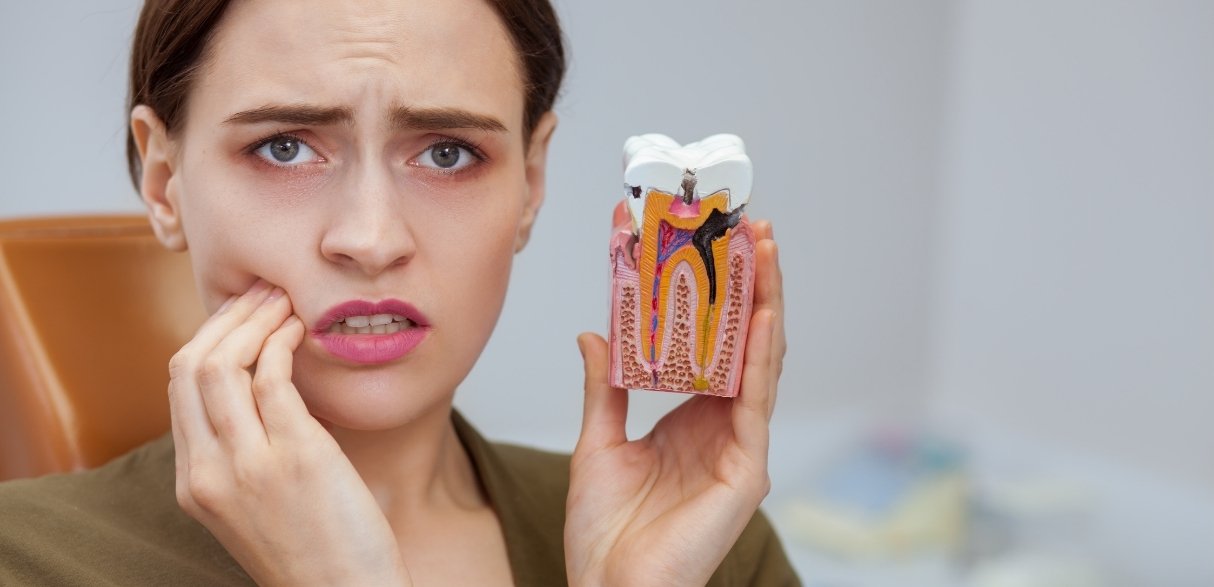
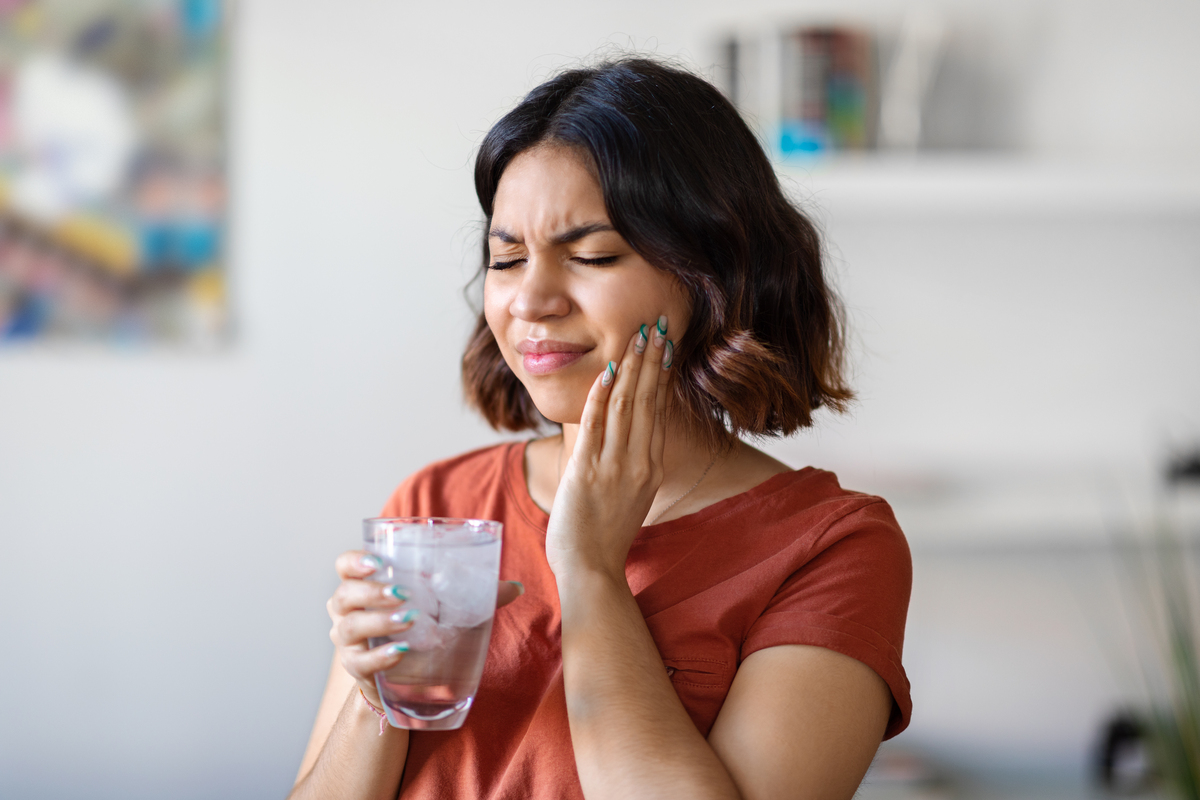
Tooth pain can disrupt daily life, making even the simplest activities, like eating or talking, feel unbearable. Whether it’s a dull throb or sharp, shooting pain, the discomfort is never easy to deal with. However, many people notice that tooth pain often becomes more intense at night, making it difficult to sleep.
If you’ve ever found yourself tossing and turning, wondering why your tooth pain seems to worsen when you lie down, you’re not alone. Understanding the reasons behind this nighttime flare-up and how to find relief can help you get through the discomfort and back to your routine.
At Modern Smiles – Dentist Pocatello, we help patients find relief from tooth pain quickly and effectively. Call us at (208) 203-7587 to schedule your appointment.
Understanding Why Tooth Pain Worsens at Night
The Role of Blood Flow
When you lie down, gravity no longer helps blood flow to your head, which can increase the blood flow to your teeth and gums. This heightened blood circulation can cause any existing inflammation or infection to intensify, resulting in more pain.
Additionally, when your head is flat on the pillow, it can put more pressure on the affected area, making the pain feel worse.
Less Distraction at Night
During the day, you’re often preoccupied with tasks and activities, which can make the pain less noticeable. At night, however, the quiet and stillness of the world around you can make even mild tooth pain feel amplified.
With fewer distractions, the discomfort may seem more intense, preventing you from finding rest.
The Influence of Jaw Pressure
If you grind your teeth at night (a condition known as bruxism), this can cause additional pressure and stress on your teeth, especially if you have dental issues like cavities or cracked teeth.
The clenching of your jaw while you sleep can make tooth pain significantly worse, leading to sharp and throbbing sensations.
The Impact of Dry Mouth
Saliva helps to protect your teeth and gums, keeping them hydrated and free from harmful bacteria. However, during sleep, saliva production naturally decreases. This dry mouth condition can exacerbate the pain from cavities, gum disease, or other dental problems.
Without sufficient saliva, your mouth may also become more sensitive to any discomfort, worsening the sensation of pain.
Common Causes of Tooth Pain
Cavities and Decay
One of the most common causes of tooth pain is cavities. When a cavity forms, it creates a hole in the tooth that can be sensitive to temperature, pressure, or sweets. As the cavity worsens, the pain becomes more noticeable, especially at night when your mouth dries out, and the tooth becomes more vulnerable to discomfort.
Gum Disease
Gum disease, or periodontitis, is another culprit behind nighttime tooth pain. Infected or inflamed gums can cause pain that worsens as you lie down, making it feel like your entire jaw is throbbing.
The inflammation from gum disease can also make your teeth feel loose or sensitive, and the pain may be exacerbated while you’re resting.
Tooth Sensitivity
If your teeth are sensitive to hot or cold temperatures, you may experience sharp pain when exposed to these elements.
During the night, temperature changes in your mouth, whether from breathing in cool air or sipping hot beverages before bed, can trigger these sensitivity flare-ups, making your tooth pain feel more intense.
Abscessed Teeth
An abscess is a bacterial infection that causes a pocket of pus to form around the tooth’s root. This severe pain typically worsens at night, when your body is less focused on managing the pain.
An abscess can cause throbbing pain, swelling, and an overall feeling of discomfort, often accompanied by a bad taste or foul odor in your mouth.
How to Find Relief from Tooth Pain at Night
Over-the-Counter Pain Relief
For temporary relief, over-the-counter medications like ibuprofen or acetaminophen can help reduce inflammation and ease the pain. Always follow the recommended dosage on the label, and never exceed the advised amount to avoid side effects.
Applying a Cold Compress
A cold compress can provide immediate relief for tooth pain by reducing swelling and numbing the affected area. Wrap ice in a clean cloth or use a cold pack, and apply it to the outside of your cheek near the painful tooth for 15 to 20 minutes at a time. The cold helps reduce blood flow and ease the throbbing sensation.
Avoiding Certain Foods Before Bed
Certain foods, especially those that are sugary or acidic, can irritate your teeth and gums. Avoid consuming these types of foods or drinks before bed to minimize the chances of aggravating the pain. Opt for soft foods that won’t put pressure on the affected tooth.
Keeping Your Head Elevated
Sleeping with your head elevated can help reduce the pressure in your mouth and prevent excess blood flow to the painful area. Use extra pillows or sleep in a slightly propped-up position to alleviate some of the discomfort caused by tooth pain.
Using a Mouthguard for Teeth Grinding
If your tooth pain is caused by bruxism, using a mouthguard while you sleep can help protect your teeth from the damaging effects of grinding or clenching. A custom mouthguard from your dentist will fit comfortably and keep your teeth from coming into direct contact with each other, reducing the risk of further damage.
When to See a Dentist
Persistent Pain
If your tooth pain persists despite trying home remedies, it’s essential to see an emergency dentist. Ongoing pain may be a sign of an underlying issue that requires professional attention, such as a deep cavity, infection, or gum disease.
Signs of Infection or Abscess
If you notice additional symptoms such as swelling, fever, a bad taste in your mouth, or pus, it’s crucial to seek dental care immediately. These could be signs of an infection or abscess that needs urgent treatment to prevent further complications.
Tooth pain at night can be frustrating, but understanding why it worsens and how to find relief can help you manage it effectively. Whether it’s due to blood flow, jaw pressure, or dry mouth, there are practical steps you can take to ease the discomfort. However, if the pain persists or is accompanied by other symptoms, don’t hesitate to consult with a professional.
If you’re experiencing persistent tooth pain, don’t wait for it to get worse. Contact Modern Smiles today to schedule an appointment with our professional team and find lasting relief. Our dental emergency services are here to help you get back to feeling your best!
FAQs
What should I do if my tooth pain gets worse after taking pain medication?
If your tooth pain intensifies after taking painkillers, it could indicate a more serious issue. Contact your dentist for an urgent evaluation.
Why do certain foods make tooth pain worse at night?
Acidic or sugary foods can irritate sensitive teeth, making pain worse, especially when your mouth is dry and less protective during the night.
Does drinking warm water help with tooth pain?
Warm water may soothe the pain, but avoid very hot beverages, as they can exacerbate tooth sensitivity.
Does sleeping position affect tooth pain?
Yes, lying flat can increase blood flow to the head, intensifying pain. Sleeping with your head elevated can help alleviate some discomfort.
How can I treat tooth pain from an exposed nerve?
Desensitizing toothpaste, pain relievers, or applying a cold compress can temporarily ease the pain. A dentist can offer permanent solutions.