A chipped tooth can happen in seconds. One wrong bite into something hard, a sudden slip during a weekend hike near Scout Mountain, or even a casual game can turn into an unexpected dental issue. At first, it may seem minor. You might run your tongue over the edge and think it is nothing serious.
But not every chipped tooth is the same. Some chips are harmless and cosmetic. Others can expose deeper layers of the tooth, leading to pain, infection, or long-term damage. Knowing the difference helps you act at the right time and avoid bigger problems later.
What Actually Happens When a Tooth Chips?
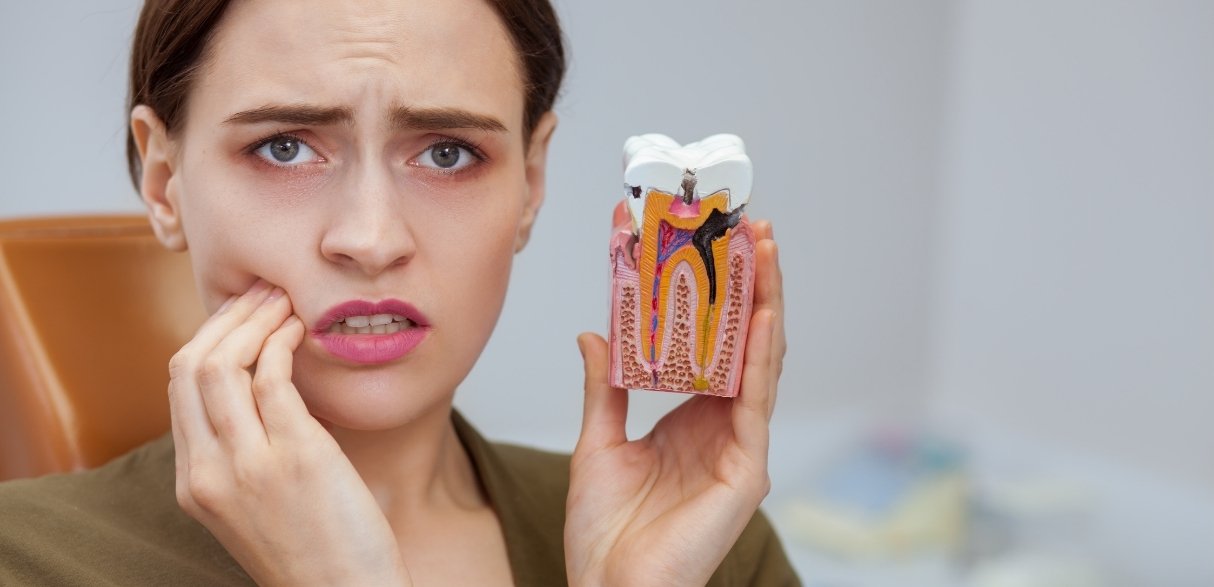
Your tooth has layers. The outer layer is enamel. Beneath that is dentin, and at the center lies the pulp, where nerves and blood vessels live. When a chip occurs, the impact determines how deep the damage goes.
A small chip may affect only enamel. You might not feel pain at all. But a deeper chip can expose dentin or even reach the pulp. That is when sensitivity, discomfort, or sharp pain begins.
Common causes include:
- Biting hard foods like ice or unpopped popcorn kernels
- Accidents during sports or outdoor activities
- Teeth grinding, especially during sleep
- Sudden temperature changes in food and drinks
Even everyday habits can slowly weaken enamel, making teeth more likely to chip.
When Is a Chipped Tooth Considered an Emergency?
Not every chipped tooth requires urgent care, but some situations do. The key is to recognize the warning signs early.
Here is when you should act quickly:
- Severe pain or throbbing: This may indicate nerve involvement
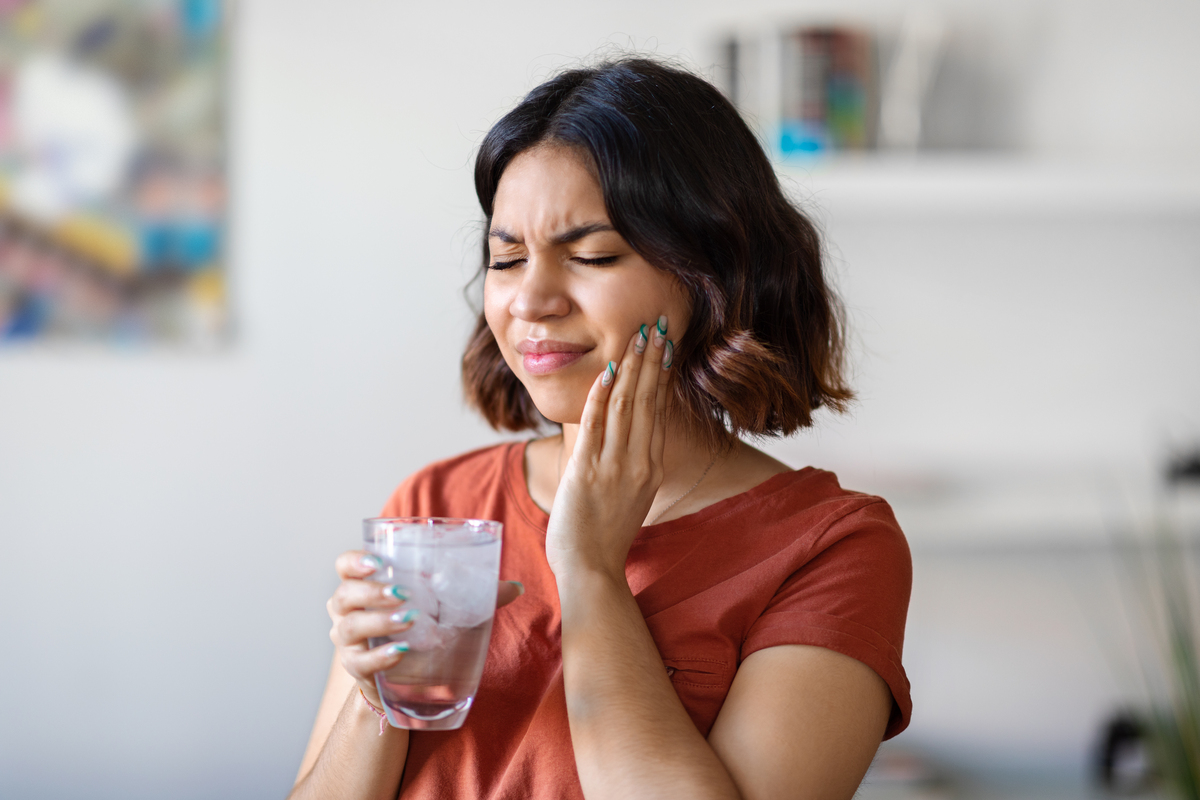
- Sensitivity to hot or cold: A sign that dentin is exposed
- Sharp edges cutting your tongue or cheeks: Risk of soft tissue injury
- Visible cracks extending into the tooth: Could worsen without treatment
- Swelling around the tooth or gums: Possible infection
If you notice any of these symptoms, it is important to contact an emergency dentist promptly to prevent further complications.
Signs Your Chipped Tooth Can Wait
In some cases, a chipped tooth is not an urgent issue. Still, it should not be ignored for long.
You may be able to schedule a regular visit if:
- There is no pain or sensitivity
- The chip is small and smooth
- There is no bleeding or swelling
- It does not affect your bite
Even minor chips can worsen over time. Idaho’s dry climate can sometimes increase sensitivity, especially if enamel is already compromised. So, timely evaluation still matters.
What Should You Do Right After a Tooth Chip?
The moments after a chipped tooth matter more than most people realize. Acting quickly can reduce damage and protect your tooth.
Follow these simple steps:
- Rinse your mouth with warm water to keep the area clean
- Save any broken pieces if possible
- Apply a cold compress to reduce swelling
- Avoid chewing on that side of your mouth
- Use dental wax or sugar-free gum to cover sharp edges temporarily
If the chip happens during a busy day in Pocatello, whether you are heading to work or spending time downtown, these quick actions can help you stay comfortable until you get proper care.
Why Ignoring a Chipped Tooth Can Lead to Bigger Problems
It is easy to delay care when the discomfort seems manageable. But a chipped tooth rarely improves on its own.
Here is what can happen if left untreated:
- Cracks can deepen and reach the inner layers
- Bacteria can enter exposed areas, leading to infection
- Pain can worsen over time, especially while eating
- The tooth may weaken, increasing the risk of breakage
Over time, what started as a small chip can turn into a more serious dental issue. Acting early helps preserve your natural tooth and prevents unnecessary complications.
How Dental Care Fixes a Chipped Tooth
Treatment depends on how severe the chip is. The goal is always to restore the tooth’s structure and protect it from further damage.
Common treatment options include:
- Dental bonding: Ideal for small chips and smooth repairs
- Crowns: Used when a large portion of the tooth is affected
- Root canal treatment: Necessary if the pulp is exposed or infected
- Smoothing and polishing: For very minor chips
Each approach focuses on restoring function and comfort while maintaining the natural look of your smile.
Everyday Situations That Increase Your Risk
Many chipped teeth happen during routine activities. Awareness can help you avoid future issues.
Common scenarios include:
- Biting into hard foods during local events or gatherings
- Sudden temperature changes from hot drinks to cold treats
- Outdoor activities like biking or hiking around Pocatello
- Grinding teeth during stressful days
Simple habits like wearing a mouthguard during sports or avoiding chewing hard objects can make a big difference.
How to Protect Your Teeth Moving Forward
Prevention is always better than repair. Once a tooth chips, it is a reminder to strengthen your daily habits.
Here are some practical tips to maintain your oral health and prevent chips or cracks:
- Avoid chewing ice or hard candies
- Wear protective gear during physical activities
- Address teeth grinding with professional guidance
- Maintain regular dental checkups
- Stay mindful of what you bite into
Small changes in daily behavior can reduce the chances of another incident.
A Smarter Way to Respond to Dental Emergencies
Knowing how to react gives you control. Whether it is a minor chip or something more serious, your response matters.
Being prepared means:
- Recognizing symptoms early
- Taking immediate protective steps
- Seeking timely care when needed
Living in a place like Pocatello, where outdoor activities are part of everyday life, makes it even more important to stay prepared for unexpected dental issues.
When It’s Time to Take Action
A chipped tooth is never something to ignore. Even if it feels small today, it can lead to discomfort and complications later. Acting early protects your oral health and keeps your routine on track.
At Modern Smiles – Dentist Pocatello, patients receive prompt and thoughtful care for urgent dental concerns. The focus is on restoring comfort and protecting your natural tooth without delay.
If you are dealing with a chipped tooth, scheduling an evaluation can help you understand the severity and next steps. A timely visit can make all the difference in preserving your smile and preventing further damage.
Questions People Ask About a Chipped Tooth
1. Can a chipped tooth heal on its own?
No, a chipped tooth does not grow back or repair itself. While minor chips may not cause immediate pain, the damaged enamel remains vulnerable. Over time, the area can worsen or become sensitive. Getting it evaluated helps prevent further damage and protect the tooth’s structure.
2. Is it safe to eat with a chipped tooth?
You can eat carefully, but avoid chewing on the affected side. Hard or crunchy foods may worsen the chip or cause pain. Stick to soft foods until the tooth is assessed. This reduces pressure on the damaged area and helps prevent further complications while waiting for care.
3. How do I know if the nerve is affected?
If you feel sharp pain, lingering sensitivity to temperature, or throbbing discomfort, the nerve may be involved. These symptoms suggest more serious damage beyond the enamel. Immediate evaluation is important to prevent infection and determine if additional treatment is needed to protect the tooth.
4. Can a small chip turn into a bigger problem?
Yes, even a minor chip can worsen over time. Daily chewing pressure can deepen cracks or expose inner layers. What seems harmless now may lead to sensitivity or infection later. Early care helps maintain the tooth’s strength and prevents more serious dental issues from developing.
5. What should I do if my tooth chips at night?
Rinse your mouth, avoid eating, and protect the area if there are sharp edges. Use dental wax if available. Try to rest without putting pressure on that side. Contact a dental office as soon as possible, the next day, to have the tooth evaluated and treated properly.
6. Can weather changes affect a chipped tooth?
Yes, temperature changes can trigger sensitivity in a chipped tooth. Cold air or hot drinks may cause discomfort, especially in regions with varying climates. This happens because the protective enamel layer is compromised, exposing the tooth’s inner layers to external conditions.