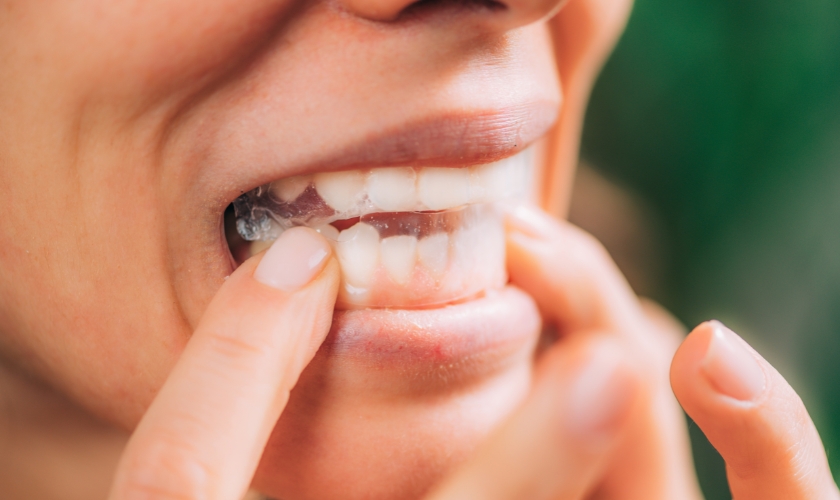

Dark spots or discoloration on teeth can make anyone feel self-conscious about their smile. Many people notice small stains, uneven color, or changes in enamel and immediately wonder if a whitening treatment will solve the problem. It is a common belief that teeth whitening can fix every type of discoloration. In reality, the effectiveness of whitening depends on what caused the stain in the first place.
Some stains respond very well to whitening treatments, while others require different cosmetic or restorative solutions. Tooth discoloration can develop for several reasons, including diet, lifestyle habits, natural aging, or enamel damage. Because each cause affects teeth differently, not every stain reacts the same way to whitening agents.
This blog explains what whitening treatments can and cannot fix. Understanding the difference helps patients make informed decisions about improving their smile and choosing the right dental care option.
What Causes Dark Spots on Teeth?
Dark spots on teeth can appear for several reasons. In many cases, they develop slowly over time due to daily habits. For example, beverages such as coffee, tea, and red wine contain pigments that attach to the enamel surface. Over time, these pigments can create noticeable stains.
Tobacco use is another major contributor. Smoking or chewing tobacco exposes teeth to tar and nicotine, which often cause yellow or brown spots that deepen with repeated exposure.
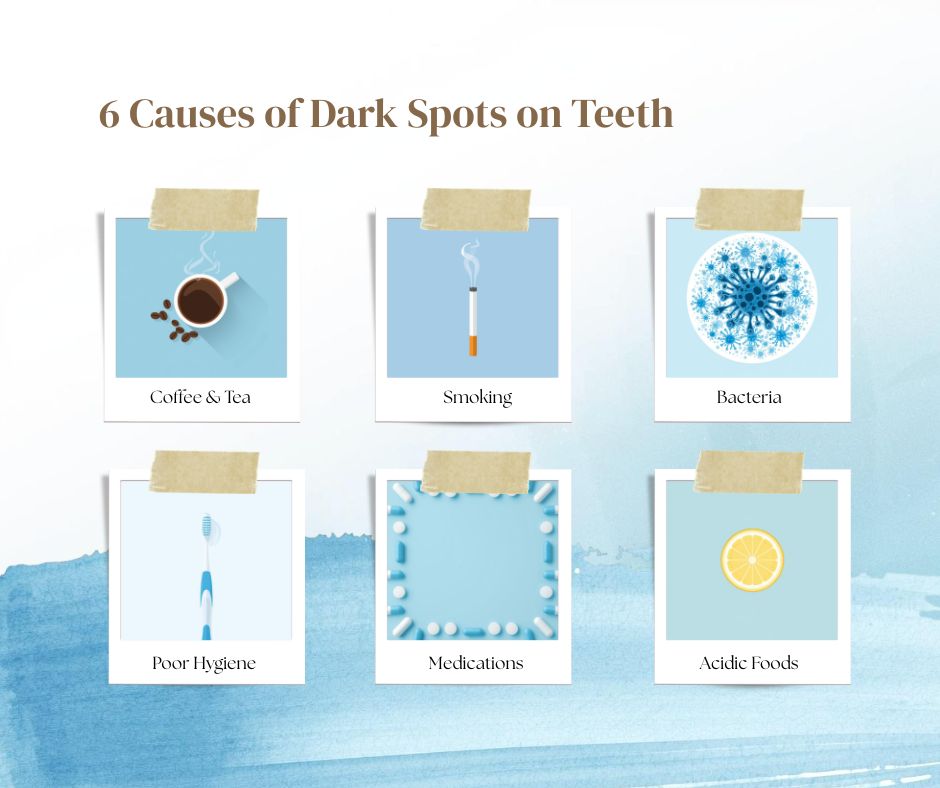
Poor oral hygiene can also allow plaque and tartar to build up on the teeth. When plaque remains on the enamel surface for long periods, it can trap pigments from foods and drinks, causing visible discoloration.
Some dark spots have medical or developmental causes. Fluorosis, which occurs when excessive fluoride exposure happens during tooth development, can create white or brown patches on enamel. Certain medications taken during childhood may also affect tooth color.
Tooth decay may create dark spots as well. When bacteria break down tooth structure, the affected areas may appear brown or black. Enamel erosion from acidic foods, soda, or stomach acid can thin the enamel layer and expose darker dentin underneath.
Because discoloration may result from several factors, identifying the cause helps determine whether teeth whitening will be effective or if another treatment is necessary.
How Teeth Whitening Treatments Work
Whitening treatments work by breaking apart stain molecules within the tooth structure. The process usually involves peroxide-based agents such as hydrogen peroxide or carbamide peroxide. These compounds penetrate the enamel and react with discoloration particles that cause stains.
Once the whitening agent reaches these pigments, it breaks them down into smaller molecules. This chemical reaction reduces the intensity of the stain, allowing teeth to appear brighter and more uniform in color.
However, whitening treatments work best on stains located on or just beneath the enamel surface. These are commonly called extrinsic stains and usually come from foods, drinks, or tobacco. Intrinsic stains, which occur deeper inside the tooth, may respond less effectively.
Professional whitening treatments offered in dental offices use stronger concentrations of whitening agents than most over-the-counter products. Dentists also monitor the process carefully to reduce sensitivity and protect gums.
At-home whitening options, such as strips or trays, typically contain lower concentrations of peroxide. While they may improve mild staining, they often require longer treatment times and may not produce the same level of brightness as professional care.
Understanding how whitening works helps explain why some stains respond well while others remain unchanged.
Can Teeth Whitening Remove Dark Spots?
In many cases, whitening treatments can reduce or eliminate certain dark spots. Surface stains caused by beverages like coffee or tea often respond well to whitening agents. These stains sit on the enamel surface and can gradually lighten when the whitening solution breaks down pigment molecules.
For example, a person who drinks coffee daily may develop brownish stains near the edges of their teeth. After a professional whitening session, those stains often become significantly lighter because the pigment molecules break apart during treatment.
Smoking-related stains may also fade with whitening treatments. Nicotine discoloration typically appears yellow or brown, and whitening agents can reduce these stains with repeated applications.
However, not every dark spot responds to whitening. Spots caused by tooth decay will not disappear with whitening treatments. In these cases, the dark area represents damaged tooth structure rather than surface staining. A filling or other restorative procedure is usually required to repair the tooth.
Similarly, enamel defects or developmental conditions may create stains that whitening cannot fully remove. White or brown spots caused by fluorosis or enamel irregularities may require treatments such as bonding or microabrasion to improve the tooth’s appearance.
Because stains have different causes, a dental evaluation helps determine whether whitening alone will provide the desired improvement.
Can Teeth Whitening Repair Enamel Damage?
Whitening treatments are designed to improve the color of teeth, not to repair enamel damage. Enamel is the outer protective layer of the tooth, and once it becomes weakened or eroded, whitening agents cannot rebuild that lost structure.
Enamel erosion may occur due to acidic foods, carbonated beverages, frequent snacking, or medical conditions that expose teeth to stomach acid. When enamel becomes thinner, the underlying dentin layer becomes more visible. Because dentin has a naturally darker tone, the teeth may appear yellow or uneven in color.
Although whitening may temporarily lighten the overall shade, it does not restore the lost enamel layer. If enamel damage is present, dentists may recommend restorative or cosmetic treatments that strengthen the tooth and improve its appearance.
For example, bonding may cover areas where enamel has worn away. Veneers may also help mask severe discoloration while protecting the tooth surface. Professional evaluation is important because it ensures that treatment addresses both the appearance and the structural health of the tooth.
When Whitening May Not Be the Right Solution
Sometimes, whitening treatments alone cannot fully correct discoloration. When stains result from structural changes within the tooth, dentists may recommend alternative cosmetic solutions.
Dental bonding is one common option. During this procedure, a tooth-colored resin material is applied to the tooth surface and shaped to blend naturally with surrounding teeth. Bonding can cover dark spots and restore a uniform appearance.
Veneers provide another option for addressing deeper discoloration or enamel defects. These thin porcelain shells are placed over the front surface of teeth, improving both color and shape.
Enamel microabrasion may help remove superficial discoloration that lies just beneath the enamel surface. This technique uses mild abrasion combined with chemical treatment to reduce certain types of stains.
Professional cleaning may also remove stains caused by plaque or tartar buildup. In addition, fluoride treatments can strengthen weakened enamel and help prevent further damage.
Dentists determine the most effective approach by evaluating the cause of the discoloration and recommending treatments that improve both oral health and aesthetics.
Signs Your Tooth Stains Need Professional Evaluation
Not all discoloration requires immediate treatment, but certain signs suggest that professional care may be beneficial.
Dark spots that remain even after consistent brushing and flossing may indicate deeper staining or tooth decay. In such cases, an examination can determine whether the stain is purely cosmetic or related to structural damage.
Sudden discoloration may also signal a dental issue. If a tooth changes color quickly, it may indicate trauma or internal damage that requires evaluation.
Sensitivity or pain associated with stained areas can suggest enamel erosion or cavities. These symptoms should not be ignored because early treatment prevents further damage.
White or chalky patches on enamel may indicate mineral loss or fluorosis. Stains near the gumline may also develop due to plaque accumulation.
If any of these signs appear, scheduling a dental evaluation helps identify the underlying cause and ensures appropriate treatment.
How to Prevent Dark Spots and Enamel Damage
Preventing discoloration often involves simple daily habits that protect enamel and reduce staining.
Limiting beverages that contain strong pigments, such as coffee, tea, and red wine, can help reduce staining. When consuming these drinks, rinsing the mouth with water afterward can minimize pigment buildup.
Acidic beverages like soda and citrus drinks can weaken enamel. Drinking them in moderation and rinsing afterward may reduce their impact on tooth structure.
Using fluoride toothpaste helps strengthen enamel and protect teeth from mineral loss. Consistent brushing and flossing also remove plaque before it hardens into tartar.
Regular dental cleanings remove surface stains and plaque buildup that brushing alone cannot eliminate. Avoiding tobacco products further reduces the risk of deep staining.
Maintaining these habits helps preserve enamel health and keeps teeth looking brighter over time.
Professional Whitening vs Over-the-Counter Products
Professional whitening treatments differ significantly from store-bought products in terms of strength and supervision.
Dental offices use stronger whitening agents that produce faster and more noticeable results. Because the treatment occurs under professional supervision, dentists can protect gums and reduce sensitivity.
Over-the-counter products often contain lower concentrations of whitening agents. While these products may help lighten mild stains, they may require longer treatment periods and may not achieve the same level of brightness.
Professional treatments also allow dentists to customize the whitening process based on a patient’s tooth sensitivity and desired shade improvement. Custom trays and controlled application ensure more even results.
For patients seeking noticeable and predictable improvements, professional teeth whitening in Pocatello typically provide the most effective solution.
Dark spots and discoloration can affect the appearance of your smile, but not every stain responds the same way to whitening treatments. Whitening can significantly improve many surface stains caused by food, beverages, and tobacco use. However, it cannot repair enamel damage or correct discoloration caused by structural issues within the tooth.
Understanding the cause of tooth discoloration is the key to choosing the right solution. In some cases, alternative cosmetic treatments may provide better results than whitening alone.
If you notice persistent dark spots or uneven tooth color, a professional evaluation can help determine the most effective treatment. The team at Modern Smiles provides personalized cosmetic dental care designed to improve both the health and appearance of your smile. Schedule a consultation today to explore your options and achieve a brighter, more confident smile.
What People Ask
Why do dark spots appear on teeth?
Dark spots can develop due to staining foods, smoking, plaque buildup, tooth decay, fluorosis, or enamel erosion. The cause of the discoloration determines the most effective treatment option.
Why do some stains not respond to whitening?
Some stains form deep within the tooth or result from enamel defects. In these cases, whitening agents cannot reach the underlying discoloration effectively.
Is professional whitening stronger than store-bought kits?
Professional whitening treatments use higher-strength whitening agents and are performed under supervision, allowing for faster, more noticeable results compared with many over-the-counter products.
How long do whitening results usually last?
Results can last from several months to a few years, depending on diet, oral hygiene habits, and lifestyle factors such as smoking or frequent coffee consumption.
Are dark spots always a sign of tooth decay?
Not always. Some dark spots are simply surface stains from foods or drinks. However, persistent or growing dark spots should be examined by a dental professional.