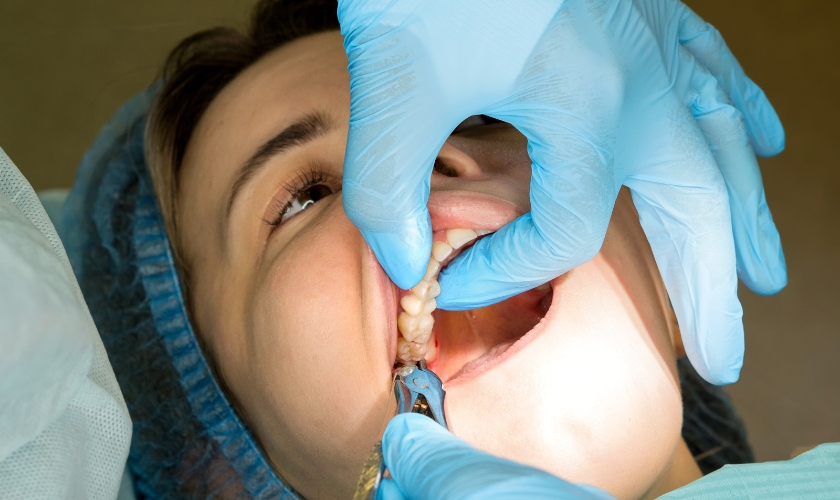

Partially erupted wisdom teeth are teeth that break through the gums but never fully come into place. A portion of the tooth remains covered by gum tissue, making it harder to clean and more prone to irritation. This condition is quite common in adults, especially when there is limited space in the jaw.
Many people in Pocatello often overlook early warning signs. These include mild discomfort while chewing, slight swelling near the back molars, or occasional bad taste in the mouth. With busy routines around Idaho State University or outdoor weekends near Ross Park, it is easy to ignore these symptoms.
However, leaving this untreated can lead to bigger concerns over time. In many cases, addressing the issue early with wisdom teeth removal helps prevent infections and long-term complications without unnecessary stress.
What Causes Wisdom Teeth to Stay Partially Erupted
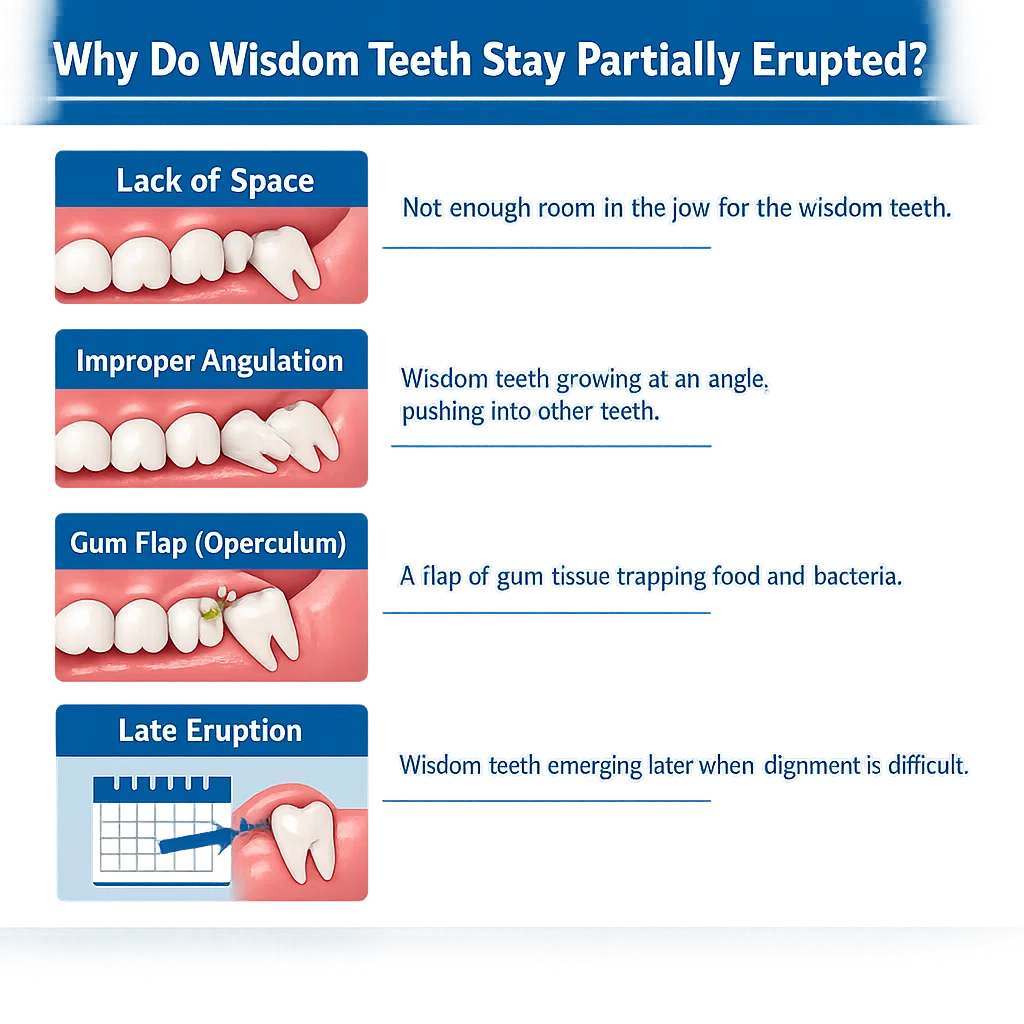
Wisdom teeth often struggle to erupt properly due to structural limitations in the mouth. One of the main reasons is a lack of space in the jaw. Modern diets and jaw development patterns have reduced the available room for these third molars, leading to incomplete eruption.
Another common factor is improper angulation. Instead of growing straight, wisdom teeth may tilt sideways, press against neighboring teeth, or remain trapped at an angle beneath the gums. This positioning makes it difficult for the tooth to fully emerge.
In many cases, a flap of gum tissue, known as an operculum, covers part of the tooth. This creates a pocket where food particles and bacteria can easily accumulate. Over time, this area becomes difficult to clean, increasing the risk of irritation or infection.
Delayed eruption patterns also play a role. Some wisdom teeth attempt to emerge later in adulthood, when the jaw has already stabilized. This makes proper alignment less likely.
Understanding these causes helps patients recognize why this issue is so common and why monitoring these teeth closely is important for maintaining long-term oral health.
Common Problems Linked to Partially Erupted Wisdom Teeth
Partially erupted wisdom teeth can lead to several uncomfortable and sometimes serious issues. One of the most common is pericoronitis, an infection of the gum tissue surrounding the tooth. This condition often causes swelling, tenderness, and difficulty chewing.
Food and bacteria easily become trapped under the gum flap covering the tooth. Since this area is hard to clean, it creates an ideal environment for bacterial growth. Over time, this buildup can lead to persistent bad breath or an unpleasant taste.
Patients may also experience jaw stiffness, swelling near the back of the mouth, or discomfort when opening their mouth fully. These symptoms can interfere with daily activities, including eating and speaking.
Another concern is the increased risk of cavities. Partially erupted wisdom teeth can affect nearby molars by making them harder to clean, allowing decay to develop in adjacent teeth.
When these symptoms become frequent or worsen over time, it often indicates that professional evaluation is necessary. In many cases, early intervention can prevent these issues from progressing into more complex dental problems.
How to Manage Discomfort at Home (Short-Term Relief)
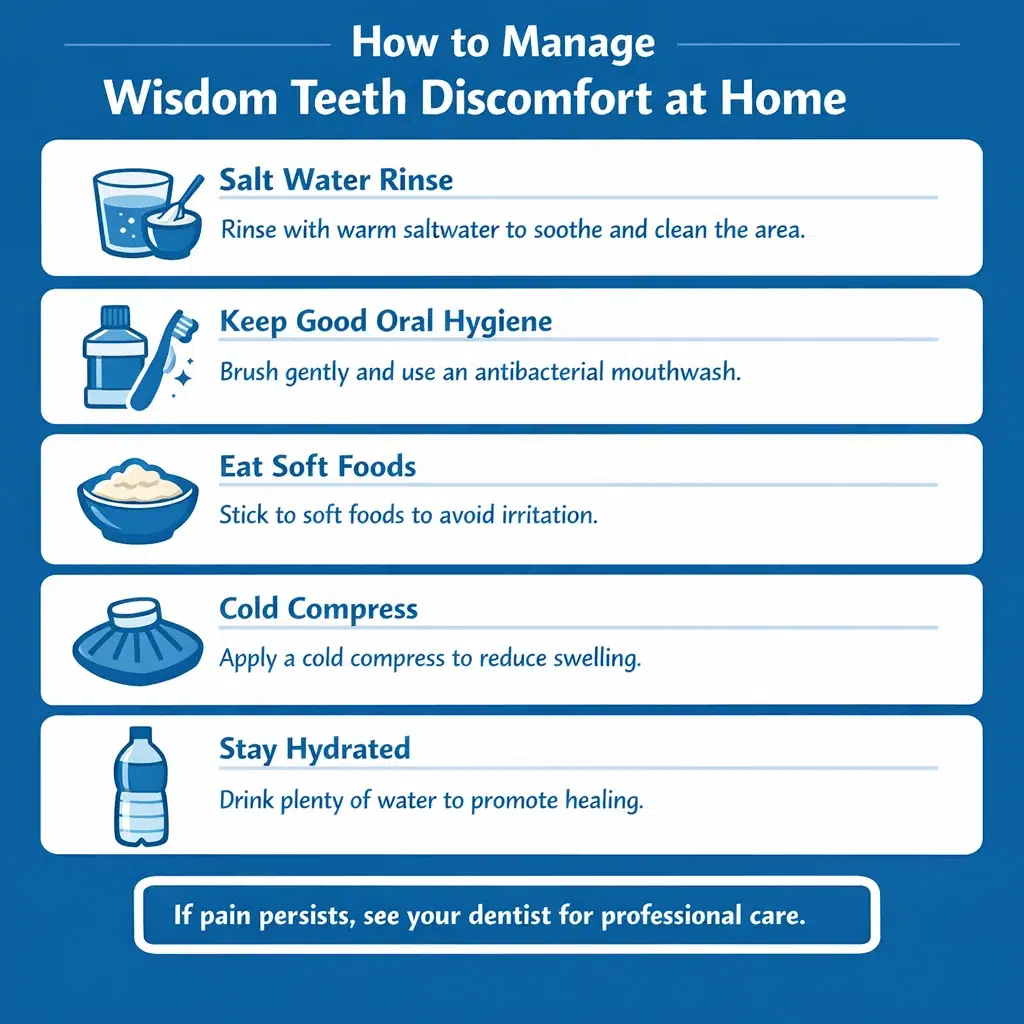
Managing discomfort at home can help reduce irritation, especially in the early stages. One of the simplest methods is rinsing with warm saltwater. This helps soothe inflamed gums and keeps the area cleaner.
Maintaining proper hygiene is essential, even in hard-to-reach areas. Using a soft-bristled toothbrush and carefully cleaning around the back molars can help prevent buildup. Some patients also benefit from using an antibacterial mouth rinse to reduce bacteria.
Avoiding hard, crunchy, or sticky foods can minimize pressure on the affected area. Softer foods are easier to chew and less likely to irritate the gums. This small change can make a noticeable difference in daily comfort.
Basic pain management, such as applying a cold compress to the outside of the cheek, may help reduce swelling. Staying hydrated also supports overall oral health.
While these steps can provide temporary relief, they do not address the underlying cause. If discomfort continues or worsens, it is important to seek professional care rather than relying only on home remedies.
When to Seek Professional Care
Certain symptoms should not be ignored, as they may indicate a developing infection or complication. Persistent pain that does not improve with home care is often one of the first signs that professional evaluation is needed.
Swelling around the jaw or gums, especially if it spreads or becomes more noticeable, should also be taken seriously. Some patients find it difficult to open their mouths fully, which can interfere with eating and speaking.
Signs of infection, such as pus, fever, or a constant bad taste, require immediate attention. These symptoms suggest that bacteria have spread beyond the surface level and need proper treatment.
Recurring gum irritation is another key indicator. If the same area becomes inflamed repeatedly, it often means the underlying issue has not been resolved.
Seeking timely care allows dental professionals to assess the condition and recommend appropriate treatment. Addressing the problem early can help prevent complications and support better long-term oral health.
How Dentists Evaluate Partially Erupted Wisdom Teeth
A thorough evaluation begins with a clinical examination. The dentist will check the position of the wisdom teeth, the condition of the surrounding gums, and any signs of infection or decay.
Digital X-rays are commonly used to gain a clearer view of the tooth’s position beneath the surface. These images help determine whether the tooth is impacted, angled, or affecting nearby structures. In some cases, 3D imaging may be recommended for a more detailed assessment.
One important factor is the proximity of the tooth to nearby nerves. This information helps guide treatment decisions and ensures that care is planned safely and effectively.
The dentist will also evaluate the overall risk level. This includes considering how likely the tooth is to cause future problems based on its current position and symptoms.
Based on these findings, a decision is made between monitoring the tooth or recommending treatment. This approach ensures that patients receive care tailored to their specific needs rather than a one-size-fits-all solution.
Treatment Options for Partially Erupted Wisdom Teeth
Monitoring and Maintenance
If the tooth is stable and not causing symptoms, regular monitoring may be recommended. Routine checkups help ensure that any changes are detected early.
Minor Gum Procedures
In select cases, removing the gum flap covering the tooth can improve access for cleaning. This procedure, known as operculectomy, may reduce irritation temporarily.
Wisdom Teeth Removal
Do the teeth continue to cause discomfort or pose a risk to surrounding teeth? If so, wisdom teeth removal becomes the most reliable solution. The procedure involves carefully assessing and removing the affected tooth under controlled conditions.
Modern techniques focus on patient comfort and precision. The goal is not just to address current symptoms but to prevent future complications such as infections, decay, or damage to nearby teeth.
For many patients, choosing the right time for treatment can make the process smoother and recovery easier.
What to Expect During Wisdom Teeth Removal
The procedure typically begins with local anesthesia to numb the area. In some cases, sedation options may be used to help patients feel more relaxed.
The dentist will gently access the tooth, which may involve making a small opening in the gum. If needed, the teeth are divided into smaller sections for easier wisdom teeth removal in Pocatello.
The entire process usually takes less than an hour, depending on the complexity. Patients are given clear instructions before and after the procedure to ensure a smooth experience.
Modern dental techniques have made this procedure more efficient and predictable. Most patients report manageable discomfort and a straightforward recovery process.
Recovery Tips After Wisdom Teeth Removal
After the procedure, managing swelling is important. Applying a cold compress can help reduce inflammation during the first 24 hours.
A soft food diet is recommended initially. Foods like yogurt, mashed potatoes, and soups are easier to manage while the area heals. Avoiding hard or spicy foods helps prevent irritation.
Maintaining oral hygiene is still important, but care should be taken around the treatment area. Gentle rinsing may be advised after the first day.
Most patients begin to feel better within a few days, although complete healing may take a little longer. Follow-up visits ensure that recovery is progressing as expected.
Can Partially Erupted Wisdom Teeth Be Prevented?
Preventing partially erupted wisdom teeth is not always possible due to natural jaw development. However, early evaluation plays a key role in identifying potential issues.
Routine dental visits during the late teenage years allow dentists to monitor how wisdom teeth are developing. This helps detect alignment concerns before symptoms appear.
For many individuals, early monitoring can guide better decision-making. Even if prevention is not possible, early awareness allows for timely action.
Long-Term Benefits of Addressing the Issue Early
Taking action early can significantly reduce the risk of complications. Addressing partially erupted wisdom teeth helps prevent infections and protects nearby teeth from damage.
Early treatment also tends to be less complex, leading to a smoother recovery process. Patients often find it easier to manage care when issues are handled before they worsen.
Improved oral hygiene is another benefit. Removing problem areas makes it easier to maintain a clean and healthy mouth.
Rather than waiting for symptoms to become severe, early care supports long-term comfort and stability.
Partially erupted wisdom teeth may seem minor at first, but they can lead to ongoing discomfort and more serious issues if left untreated. Paying attention to early signs and seeking timely care makes a significant difference.
At Modern Smiles – Dentist Pocatello, patients receive thoughtful guidance and care tailored to their needs. If you are experiencing discomfort or have concerns about your wisdom teeth, scheduling a visit can help you take the next step with confidence.
What People Ask
Are partially erupted wisdom teeth always a problem?
Not always, but they often create areas where bacteria collect. If symptoms develop or hygiene becomes difficult, they may need closer attention.
Can partially erupted wisdom teeth cause infections?
Yes, bacteria can get trapped under the gum flap, leading to infections like pericoronitis, which may cause pain, swelling, and discomfort.
Can food get stuck around partially erupted wisdom teeth?
Yes, the gum covering creates a space where food and debris can easily collect, increasing the risk of bacterial buildup.
What helps reduce discomfort from partially erupted wisdom teeth?
Warm saltwater rinses, gentle cleaning, and avoiding hard foods can help manage mild discomfort temporarily.
At what age do wisdom teeth usually become a concern?
They typically emerge between the late teens and early twenties, but issues can appear later depending on positioning and jaw space.