
If you’ve been thinking about straighter teeth, you’ve probably heard of Invisalign. But is Invisalign right for your bite? What it can actually fix in Pocatello depends on your specific dental needs. At Modern Smiles, Dr. Joshua Boyd helps patients understand their options clearly and honestly. This article breaks down exactly what Invisalign handles well — and where it falls short.
What Is Invisalign and How Does It Work?
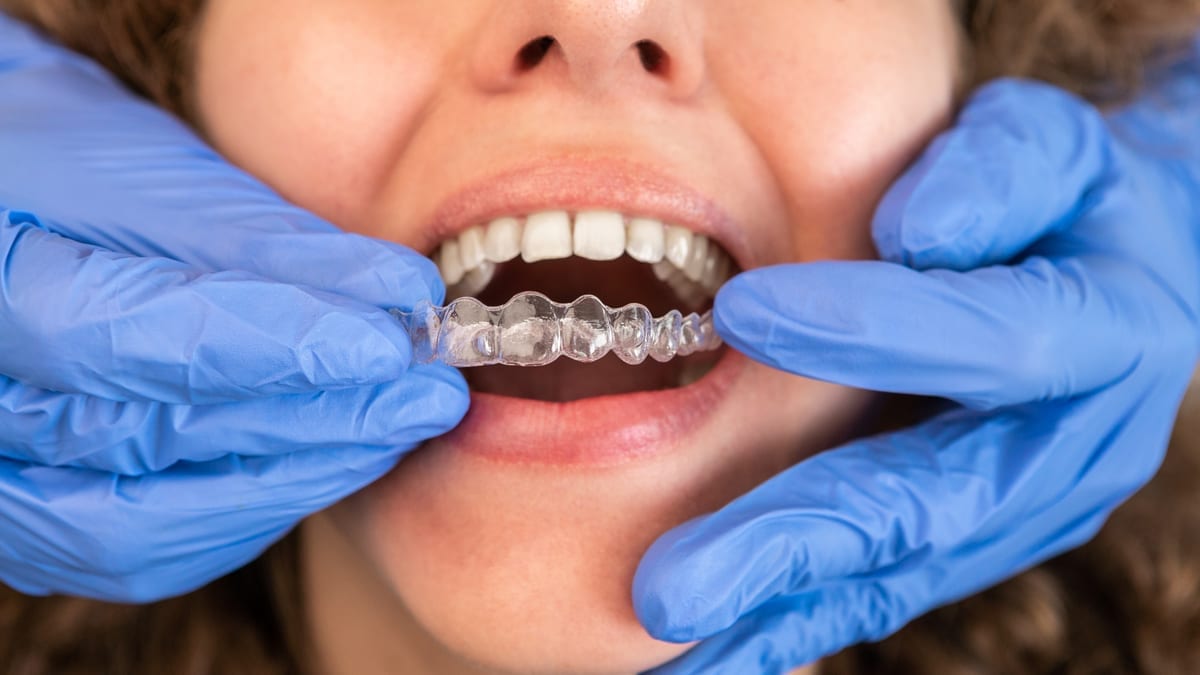
Invisalign uses a series of custom-made clear plastic aligners. You wear each set for about one to two weeks before switching to the next. Each aligner gradually shifts your teeth into better alignment. Most patients wear them 20 to 22 hours per day for the best results.
The aligners are removable, which makes eating and brushing much easier. They are also nearly invisible, which appeals to adults and teens. Unlike metal braces, they don’t use brackets or wires. That said, invisibility and comfort don’t mean they work for every type of bite problem.
Good Dental Hygiene habits are especially important during Invisalign treatment. Because you remove the aligners to eat, food doesn’t get trapped as easily. However, you still need to brush and floss carefully after every meal. Neglecting oral hygiene during treatment can lead to cavities under the aligners.
Bite Problems Invisalign Can Fix in Pocatello
Many common alignment issues respond very well to Invisalign treatment. Dr. Boyd regularly treats the following conditions with clear aligners at Modern Smiles.
- Mild to moderate crowding: When teeth overlap or don’t have enough space, Invisalign can gradually spread them apart.
- Spacing issues: Gaps between teeth are a strong candidate for Invisalign correction.
- Mild overbite: When upper front teeth extend too far over the lower teeth, aligners can help reposition them.
- Mild underbite: Some cases where lower teeth sit in front of upper teeth can be corrected with Invisalign.
- Crossbite: When some upper teeth sit inside lower teeth, Invisalign can address certain types effectively.
- Open bite: When upper and lower teeth don’t meet, clear aligners can help close the gap in eligible cases.
The key word in many of these cases is