If you’ve been researching veneers, you’ve likely discovered there are two main types. Deciding between porcelain vs. composite veneers — which actually lasts longer in Pocatello — is one of the most common questions we hear at Modern Smiles. Both options can dramatically improve your smile. But they differ significantly in durability, cost, and the procedure involved. Understanding these differences helps you make a confident, informed decision.
What Are Porcelain and Composite Veneers?
Veneers are thin shells bonded to the front surface of your teeth. They cover chips, stains, gaps, and minor misalignment. The material used makes a major difference in how they look, feel, and hold up over time.
Porcelain veneers are custom-crafted in a dental lab from ceramic material. They typically require two or more visits to complete. Your dentist removes a small amount of enamel, takes impressions, and places temporary veneers while the lab fabricates your permanent ones.
Composite resin veneers are applied directly to your teeth in a single visit. Dr. Joshua Boyd sculpts the resin freehand, layer by layer, and hardens it with a curing light. No lab work is needed, which makes the process faster and more affordable.
Porcelain vs. Composite Veneers Durability: Which Lasts Longer in Pocatello?
Durability is often the deciding factor for patients. Porcelain veneers typically last 10 to 15 years with proper care. Some patients keep them even longer. Porcelain resists staining very well and mimics natural tooth enamel closely.
Composite resin veneers generally last 5 to 7 years. They are more prone to chipping and staining over time. However, they are much easier — and less expensive — to repair when damage occurs.
Here is a quick comparison of how both types hold up:
- Porcelain: Lasts 10–15+ years, highly stain-resistant, requires enamel removal
- Composite: Lasts 5–7 years, more chip-prone, easily repaired chairside
- Porcelain: Not repairable — must be fully replaced if damaged
- Composite: Can be patched or reshaped in a single appointment
- Both: Require good oral hygiene to maximize lifespan
Pocatello patients who want a long-term cosmetic solution often lean toward porcelain. Those looking for a reversible, lower-commitment option may prefer composite.
Aesthetics: How Do They Compare in Appearance?
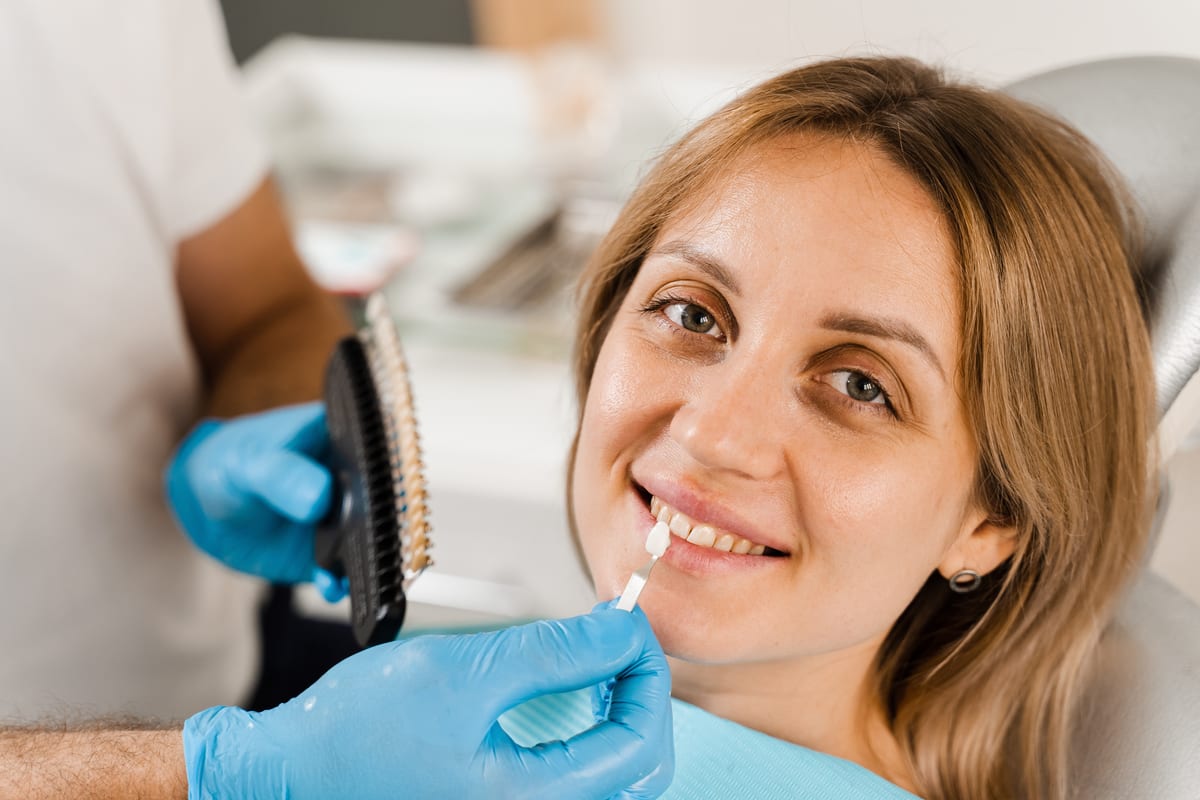
Porcelain veneers are widely considered the gold standard for natural-looking results. The ceramic material reflects light similarly to real tooth enamel. This creates a lifelike translucency that composite resin struggles to match.
Composite resin has improved significantly over the years. In skilled hands, like those of Dr. Boyd, composite veneers can look beautiful and natural. However, they may develop a slight yellowing or surface dullness over time.
Porcelain also holds its color consistently throughout its lifespan. Composite can absorb pigment from coffee, tea, and wine more easily. If maintaining a bright, consistent smile is your priority, porcelain holds a clear aesthetic advantage.
Cost Differences and What to Expect in Pocatello
Cost is a significant consideration for most patients. Composite veneers are noticeably more affordable upfront. The single-visit process reduces both lab fees and chair time.
Porcelain veneers carry a higher initial cost due to lab fabrication and the multi-visit process. However, their longer lifespan means you may replace them less often. Over a 15-year period, the cost-per-year difference between the two options can narrow considerably.
Here is what the procedure process looks like for each:
- Composite veneer process: Consultation → tooth surface preparation → resin application → shaping and polishing → complete in one visit
- Porcelain veneer process: Consultation → enamel reduction → impressions → temporary veneers → lab fabrication (1–2 weeks) → permanent bonding
Talk openly with Dr. Boyd about your smile goals and budget. He will help you identify which option delivers the best long-term value for your specific situation.
Repairability, Reversibility, and Long-Term Care
One important difference is what happens when something goes wrong. Composite veneers can be repaired quickly and affordably. If a chip occurs, your dentist can often add more resin and reshape the veneer in a single appointment.
Porcelain veneers cannot be repaired once damaged. The entire veneer must be replaced. This is worth considering before committing to porcelain, especially if you grind your teeth or play contact sports.
Both types benefit from consistent Dental Hygiene Pocatello habits. Brushing twice daily, flossing, and attending regular cleanings will significantly extend the life of either veneer type. Avoiding hard foods and wearing a night guard if you grind will also protect your investment.
For patients who want to explore all their cosmetic options before committing, composite veneers offer a lower-risk entry point. They also do not require as much enamel removal, making them a more reversible choice.
Are Veneers the Right Choice for You?
Not everyone is an ideal candidate for veneers. Patients with significant tooth decay, gum disease, or major misalignment may need to address those issues first. Dr. Boyd will conduct a thorough examination before recommending any cosmetic treatment.
Patients who are candidates for veneers often also ask about other restorative options. If you have missing teeth, you might want to review our Dental Implant Faq Pocatello page for additional context. Understanding your full range of options leads to better decisions.
Veneers work best for patients who already have a healthy mouth and want cosmetic improvements. They are not a substitute for structural dental treatment. A consultation at Modern Smiles in Pocatello is the best first step.
Making Your Decision in Pocatello
Choosing between porcelain and composite veneers comes down to your priorities. If longevity and aesthetics matter most, porcelain is typically the stronger choice. If budget, repairability, and speed matter more, composite resin is a smart and effective option.
Neither option is universally better. The right veneer for you depends on your lifestyle, goals, and dental health. Dr. Joshua Boyd takes time to understand each patient before making any recommendation. At Modern Smiles in Pocatello, the goal is always an outcome that fits your life — not a one-size-fits-all solution. Book Now to schedule your appointment with our team.
Frequently Asked Questions
How long do porcelain veneers last compared to composite veneers?
Porcelain veneers typically last 10 to 15 years or longer with proper care. Composite resin veneers generally last 5 to 7 years. Porcelain tends to hold up better over time, but composite is easier and less expensive to repair when needed.
Can composite veneers be repaired if they chip?
Yes. One of the biggest advantages of composite veneers is repairability. If a chip occurs, Dr. Boyd can often add resin and reshape the veneer in a single visit. Porcelain veneers, by contrast, must be fully replaced if they are damaged.
Are porcelain veneers worth the higher cost in Pocatello?
For many patients, yes. Porcelain veneers offer superior aesthetics, better stain resistance, and a longer lifespan. Over 10 to 15 years, the cost per year can be comparable to replacing composite veneers every 5 to 7 years. Your best option depends on your budget and long-term goals.
Do veneers require a lot of tooth enamel removal?
Porcelain veneers require more enamel removal than composite veneers. This makes porcelain a more permanent commitment. Composite veneers involve minimal enamel preparation, which makes them a more reversible option for patients who want flexibility.
How do I care for veneers to make them last longer?
Brush twice daily with a non-abrasive toothpaste and floss regularly. Attend routine professional cleanings at Modern Smiles. Avoid biting hard objects like ice or pens. If you grind your teeth at night, ask Dr. Boyd about a custom night guard to protect your veneers.