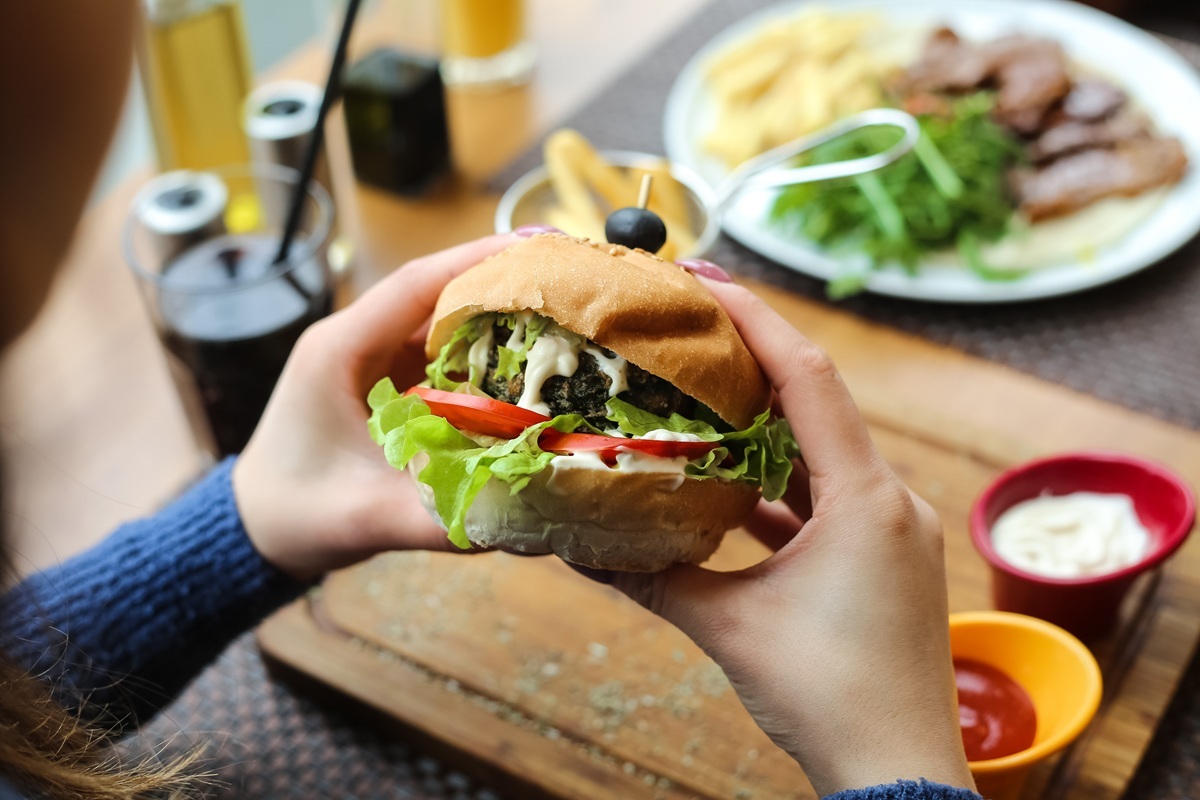
The craving hits sooner than expected. A few days after surgery, the thought of biting into a warm, juicy burger starts to feel almost irresistible. Soft foods have done their job, but they are not exactly satisfying. It is a common question people ask during recovery.
The short answer is that timing matters more than cravings. Healing after wisdom teeth removal follows a specific timeline, and returning to solid foods too early can slow it. This guide breaks down when it is safe, what signs to watch for, and how to ease back into foods like burgers without setbacks.
Why Timing Matters More Than Cravings
After a tooth is removed, your body forms a blood clot in the empty socket. That clot protects the area and allows tissue to heal underneath. Disturbing it too soon can lead to pain and complications.
For patients considering wisdom teeth removal, this healing stage is especially important. Cold mornings, dry air, and daily routines can affect how comfortable recovery feels, so following proper food timing helps avoid unnecessary discomfort.
Eating a burger too early can:
- Put pressure on the surgical site
- Dislodge the protective clot
- Introduce food particles into the socket
- Delay healing or trigger pain
Healing is not just about waiting. It is about giving your mouth the right conditions to recover properly.
What Happens in the First Few Days
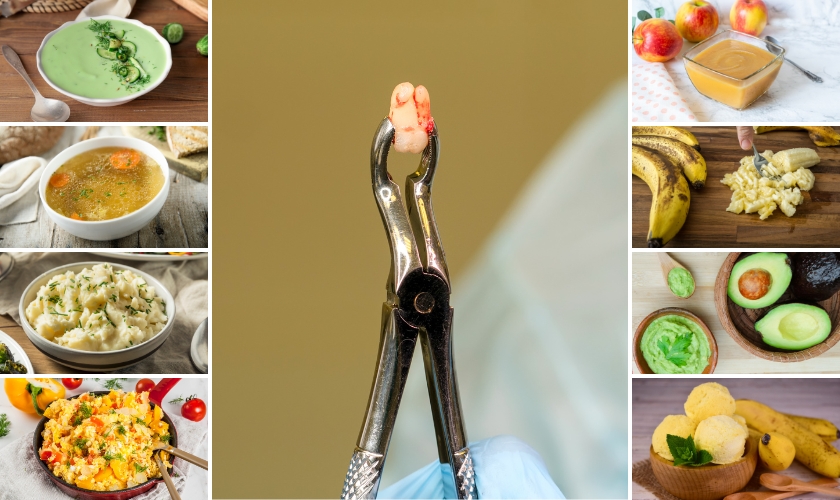
The first three to five days are when your body does the most critical healing work. During this phase, the focus should stay on soft, gentle foods.
Here is what your mouth is dealing with:
- Swelling and tenderness around the extraction site
- Formation of the protective clot
- Sensitive gum tissue that needs time to close
Trying to chew something dense, like a burger, during this stage can quickly irritate the area. Even if pain feels manageable, the tissue underneath is still healing.
Stick with options like:
- Smooth soups
- Yogurt
- Mashed potatoes
- Scrambled eggs
These foods help you stay nourished without interfering with recovery.
So, When Can You Actually Eat a Burger?
Most people can start thinking about solid foods like burgers around the 7- to 10-day mark. However, that does not mean jumping straight into a full bite.
Before you try, check for these signs:
- Minimal swelling
- No sharp or throbbing pain
- Ability to chew soft foods comfortably
- No bleeding from the site
If these boxes are checked, you can begin slowly.
How to Reintroduce a Burger Without Problems
Going from mashed potatoes to a full burger in one step is not the best move. Ease into it.
Start with these simple adjustments:
- Choose a softer bun instead of a toasted one
- Avoid crunchy toppings like raw onions or pickles
- Cut the burger into small pieces
- Chew on the opposite side of your mouth
Take small bites and go slow. If anything feels uncomfortable, stop and give yourself more time.
Signs You Should Wait Longer
Not everyone heals at the same pace. Some people need more time before returning to solid foods.
Hold off on burgers if you notice:
- Persistent swelling after a week
- Pain when chewing
- A bad taste that does not go away
- Sensitivity near the extraction site
These can be signs that healing is still ongoing. Pushing through discomfort can lead to bigger issues.
Why Burgers Are Tricky During Recovery
A burger might seem like a simple meal, but it combines several elements that make it risky to eat too soon after it’s made.
Consider what goes into it:
- Dense meat that requires strong chewing
- Bread that can press against the gums
- Toppings that may get stuck in the socket
Even sauces can irritate healing tissue if they are too acidic or spicy.
That is why gradual reintroduction works better than rushing back.
Practical Tips to Make Eating Easier
When you are ready to try solid food again, a few small habits can make a big difference.
Keep these in mind:
- Rinse gently with warm salt water after eating
- Stay hydrated to keep your mouth comfortable
- Avoid using straws during early recovery
- Keep meals simple and easy to manage
Daily life in places like Pocatello often includes busy schedules, outdoor activities, and quick meals. Taking a little extra care during recovery helps you get back to those routines faster.
What About Other Solid Foods?
If a burger feels like too much, test your comfort level with other foods first.
Good stepping stones include:
- Soft pasta
- Tender fish
- Steamed vegetables
- Rice dishes
If these feel easy to chew without discomfort, you are likely getting close to handling something like a burger.
Listening to Your Body Matters Most
There is no exact day that works for everyone. Healing depends on factors like the complexity of the extraction, oral health, overall health, and how well aftercare instructions are followed.
If something feels off, trust that signal. It is better to wait an extra day or two than deal with a setback that extends recovery.
Back to Your Favorite Foods, the Right Way
Give Your Healing the Time It Needs
Getting back to normal meals is something everyone looks forward to. Burgers, in particular, feel like a return to routine. Waiting until your mouth is ready protects your progress and helps avoid unnecessary pain.
Ready for a Smooth Recovery?
If healing feels slower than expected or questions come up along the way, it helps to speak with a professional. At Modern Smiles – Dentist Pocatello, care is focused on making recovery comfortable and clear. Schedule a visit to get guidance tailored to your situation and help you move forward with confidence.
Questions People Ask About Wisdom Teeth Removal
How long should solid foods be avoided after wisdom teeth removal?
Solid foods are usually avoided for about a week. The initial healing phase requires soft foods to protect the extraction site. Gradual reintroduction works best once swelling has reduced and chewing feels comfortable without causing pain or irritation in the area.
Can chewing too early cause complications?
Yes, chewing too early can disturb the protective clot and delay healing. This may lead to pain, sensitivity, or further irritation. Allowing the site to stabilize before returning to solid foods helps prevent setbacks and supports proper recovery over time.
What happens if food gets stuck in the extraction site?
Food particles can irritate the healing area and increase the risk of infection. Gentle rinsing after meals helps keep the area clean. Avoid aggressive cleaning methods, as they may disturb the healing tissue and slow down recovery.
Is it safe to eat fast food during recovery?
Fast food is often difficult to chew and may contain ingredients that irritate the gums. It is better to wait until healing is well underway. Starting with softer, simpler foods helps the mouth adjust before returning to heavier meals.
Is it safe to eat fast food during recovery?
Fast food is often difficult to chew and may contain ingredients that irritate the gums. It is better to wait until healing is well underway. Starting with softer, simpler foods helps the mouth adjust before returning to heavier meals.
How do you know if healing is complete enough for normal eating?
Healing is usually on track when swelling is minimal, pain is gone, and chewing feels natural. There should be no bleeding or discomfort during meals. These signs indicate that the tissue has recovered enough for more solid foods.
Does everyone heal at the same speed after wisdom teeth removal?
No, healing time varies from person to person. Factors like overall health, the complexity of the extraction, and aftercare habits all play a role. Paying attention to how the mouth feels is the best way to determine readiness for solid foods.