Losing a tooth changes more than your smile. It affects how you eat, speak, and even how your face looks over time. Many people try to adapt, choosing softer foods or avoiding photos. But tooth loss does not stay a small issue. It often leads to shifting teeth, bone changes, and a gradual buildup of daily discomfort.
There are several ways to replace missing teeth, but not all of them function the same way over the long term. Some sit on the surface, while others are designed to become part of your natural structure. Understanding these differences helps you make a decision that supports your health for years ahead.
What Makes This Option Different
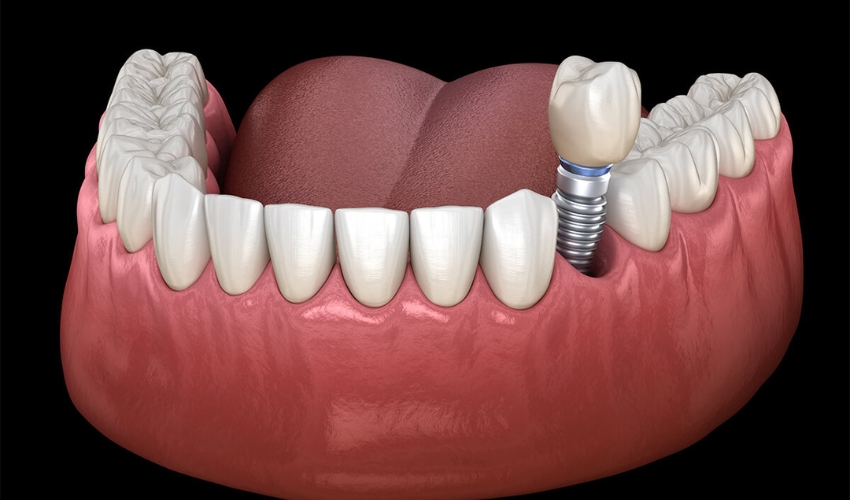
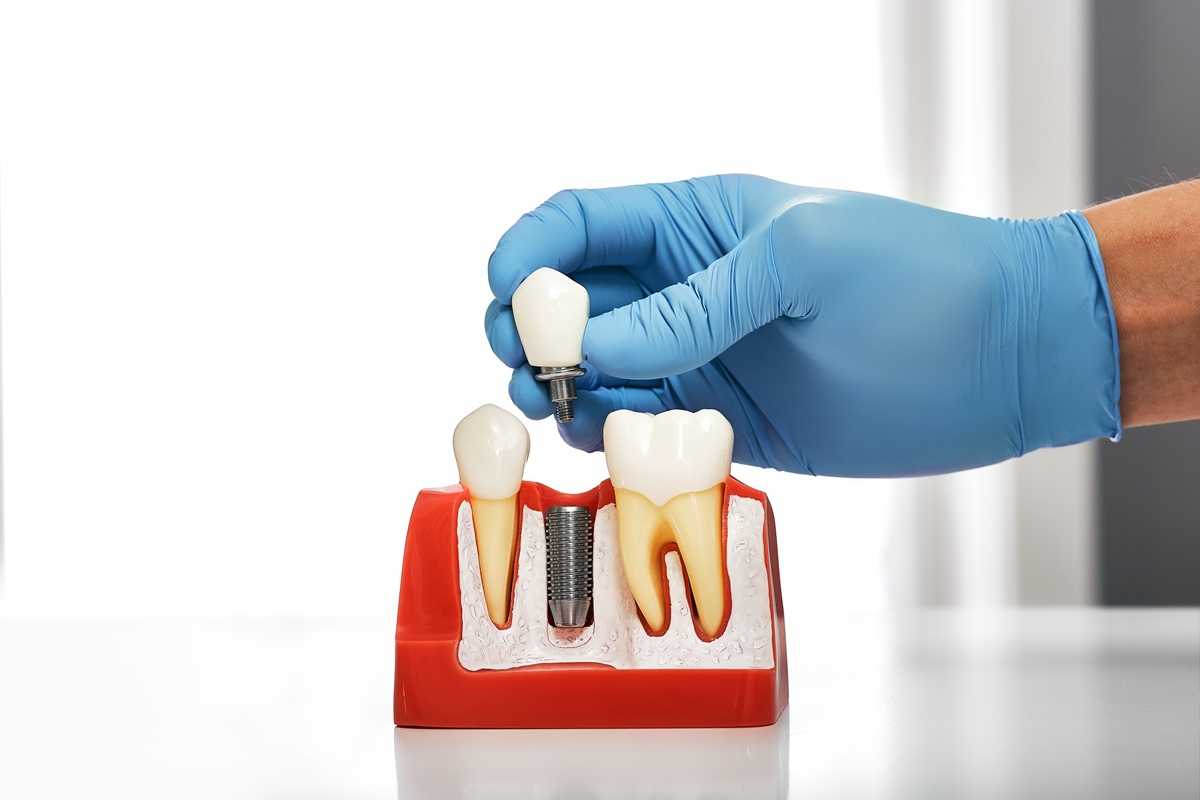
Unlike traditional replacements that rest on the gums, implants are placed into the jawbone. This allows them to act like natural tooth roots. Over time, the surrounding bone integrates with the implant, creating a stable base for a crown.
If you are researching dental implants, this detail matters. It is what separates a short-term fix from a long-term solution. The goal is not just to fill a gap but to restore function and maintain your oral structure.
Designed to Work Like Natural Teeth
One of the biggest advantages is how closely implants mimic real teeth. They are anchored in place, so they do not move while eating or speaking. This creates a sense of normalcy that many people miss with other options.
You can expect:
- A strong bite that allows you to enjoy a wider range of foods
- Clear speech without slipping or clicking
- A lifelike appearance that seamlessly matches the surrounding teeth
Whether you are grabbing a quick lunch near Idaho State University or enjoying a meal downtown, stability matters. You should not have to think twice about your teeth.
Protecting Your Jawbone Over Time
After a tooth is missing, the underlying jawbone gradually starts to deteriorate. This process, called bone resorption, can change your facial structure and weaken nearby teeth. Many people do not notice it at first, but over time, it can lead to a sunken appearance.
Implants help prevent this by stimulating the bone, much like natural roots do. This keeps the jaw strong and supports your overall facial structure.
Think of it as preserving the foundation rather than covering the surface.
Long-Term Stability You Can Rely On
Some tooth replacement options need frequent adjustments or replacements. Over time, this can become inconvenient and frustrating. Implants, on the other hand, are built for long-term use when properly cared for.
Here is what sets them apart:
- They remain fixed in place without adhesives
- They do not rely on neighboring teeth for support
- They resist wear from daily chewing forces
In a place like Pocatello, where outdoor activities and active lifestyles are common, having something dependable matters. Whether you are hiking trails or attending community events, your smile should keep up with you.
Supporting Overall Oral Health
Replacing a missing tooth is not just about appearance. It plays a key role in maintaining the balance of your mouth. When a gap is left untreated, nearby teeth can shift into that space, leading to alignment issues.
Implants help maintain that balance by:
- Keeping the surrounding teeth in their natural position
- Reducing uneven pressure during chewing
- Supporting long-term gum health
This contributes to a more stable and functional bite, which is essential for daily comfort.
A Comfortable and Predictable Process
The process is carefully planned and carried out by an implant dentist. Each step is designed to ensure proper placement and long-term success. While the timeline can vary, the goal remains consistent: a secure, natural-feeling result.
Many people are pleasantly surprised by how straightforward the process turns out to be. With proper guidance and follow-up care, healing progresses smoothly, allowing the implant to integrate with the bone.
Routine checkups and good oral hygiene help maintain the results for years to come.
Why People Choose This Option Over Others
When comparing different solutions, it often comes down to long-term benefits. While removable options may seem convenient at first, they often require ongoing adjustments.
Implants stand out because they offer:
- A fixed solution that does not shift
- A natural appearance that lasts
- Support for bone and facial structure
- Confidence in everyday activities
These factors make a noticeable difference in daily life. From eating comfortably to speaking clearly, the impact is both functional and personal.
Built for Everyday Living
Life does not slow down after tooth loss. People still go to work, meet friends, and enjoy local events. A reliable tooth replacement should support that lifestyle without constant attention.
With implants, there is no need to remove them at night or worry about movement during meals. They become part of your routine in the same way natural teeth do.
This simplicity is often what people value most.
Thinking Ahead About Your Smile
Choosing a tooth replacement is not just about today. It is about how your smile will function years from now. A solution that protects the bone, supports the surrounding teeth, and remains stable can help prevent future complications.
Implants are designed with that long-term perspective in mind. They address both the visible and underlying effects of tooth loss.
Ready to Take the Next Step
Tooth loss does not have to define your daily life. A solution that restores strength, stability, and function can make a lasting difference. Many people find that once they understand how implants work, the decision becomes clearer.
At Modern Smiles – Dentist Pocatello, our care focuses on helping you move forward with confidence. If you are considering your options, calling us to schedule a consultation is a practical first step toward a more stable and natural smile.
Questions People Ask About Dental Implants
1. How long do dental implants last with proper care?
Dental implants are designed to last for many years. With consistent oral hygiene and routine dental visits, they can remain stable for decades. The crown may need to be replaced over time, but the implant itself is designed for long-term durability.
2. Is the implant procedure painful or difficult to handle?
Most people find the procedure more manageable than expected. Local anesthesia is used during placement, and mild soreness may follow. This typically improves within a few days. Following care instructions helps support smooth healing and reduces discomfort during recovery.
3. Who is a good candidate for dental implants?
Candidates generally need healthy gums and sufficient jawbone to support the implant. Good overall health also plays a role in healing. A consultation helps determine if additional steps, such as bone support procedures, are needed before moving forward with treatment.
4. How do dental implants compare to dentures?
Implants are fixed in place and do not move during eating or speaking. Dentures, on the other hand, sit on the gums and may shift. Implants also help maintain jawbone strength, while dentures do not provide the same level of support for bone health.
5. How should dental implants be cared for daily?
Caring for implants is similar to caring for natural teeth. Brushing twice a day, flossing, and regular dental checkups are essential. Avoiding harmful habits, such as chewing hard objects, also helps maintain the implant’s condition and longevity.