If you live in Tyhee, ID and have considered brightening your smile, you may have heard about teeth whitening sensitivity. Understanding teeth whitening sensitivity — why it happens and how to prevent it — is key to a comfortable experience. Many patients avoid whitening treatments out of fear. The good news is that sensitivity is manageable with the right approach.
At Modern Smiles – Dentist Pocatello, Dr. Joshua Boyd helps patients achieve brighter smiles safely. We believe education leads to better outcomes. This guide walks you through everything you need to know about whitening sensitivity.
What Causes Teeth Whitening Sensitivity?
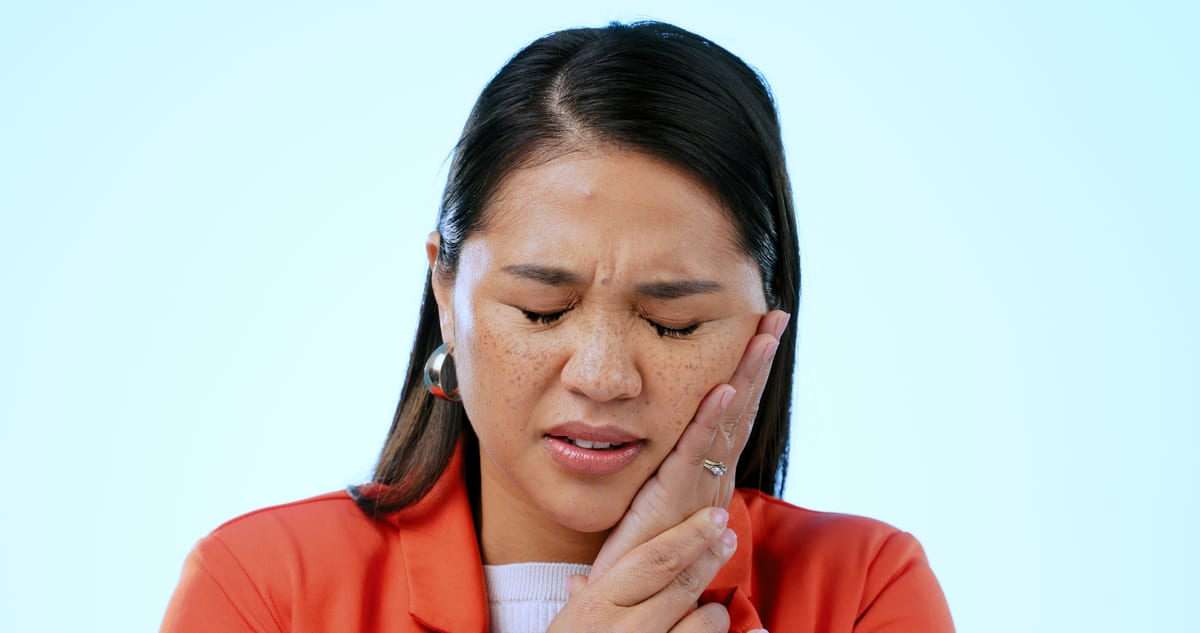
Whitening products use peroxide-based agents to bleach tooth enamel. These agents open tiny tubules inside the tooth structure. Sensory nerves inside the tooth then become temporarily exposed. That exposure creates the sharp, short bursts of discomfort many patients describe.
The concentration of the whitening gel matters greatly. Higher concentrations typically produce faster results but increase sensitivity risk. Over-the-counter strips often contain lower concentrations. Professional treatments are carefully calibrated to balance effectiveness and comfort.
Existing dental conditions also raise sensitivity risk. Cracked teeth, worn enamel, and gum recession all expose more sensitive tooth surfaces. Patients with these conditions benefit from a dental evaluation before whitening. Dr. Boyd assesses each patient individually before recommending any whitening plan.
How Dentists Minimize Whitening Sensitivity in Tyhee Patients
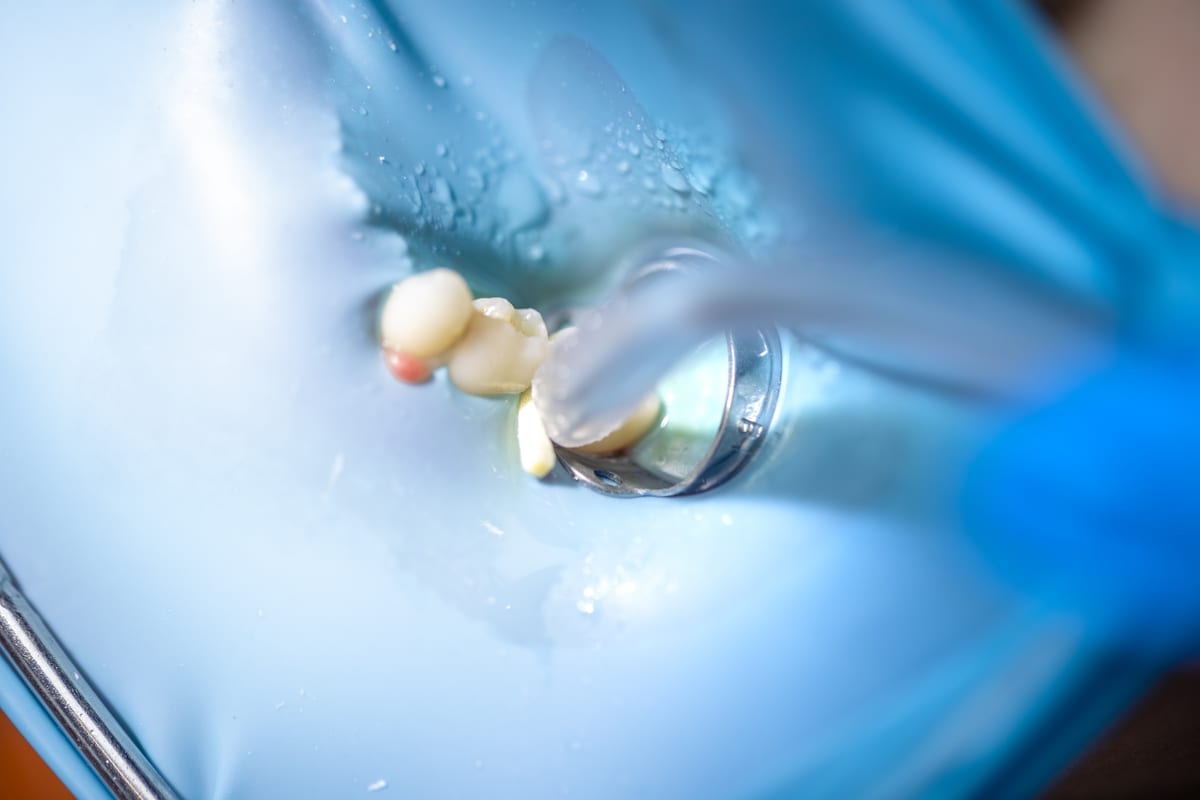
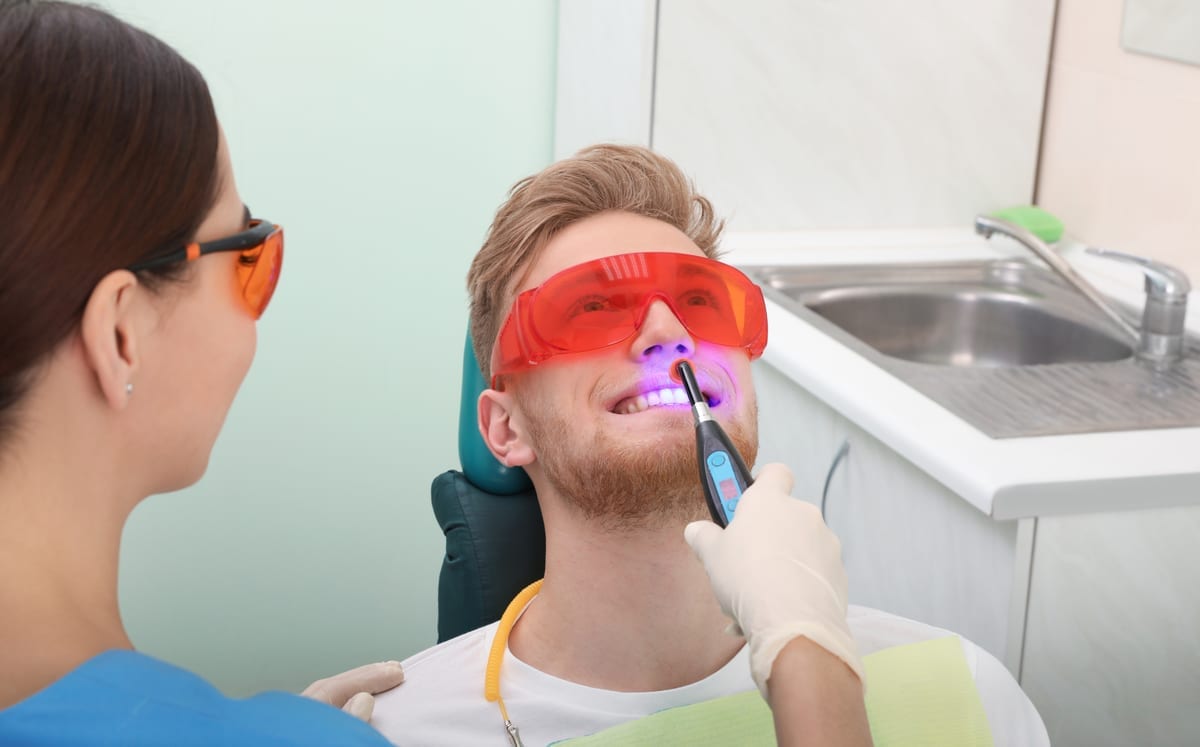
Professional whitening offers major advantages over store-bought options. Dentists apply desensitizing agents before and after treatment. These agents block the open tubules and calm nerve activity. Many patients report little to no discomfort with in-office treatments.
Custom-fitted trays are another professional advantage. Poorly fitting trays allow gel to contact the gums. Gum irritation adds to the overall discomfort. Custom trays from Modern Smiles fit precisely and keep gel where it belongs.
Dr. Boyd may also recommend a lower-concentration take-home gel. Gradual whitening over several days is gentler on sensitive teeth. Patients still achieve excellent results with this approach. The process simply takes a little longer than a single in-office session.
- Pre-treatment desensitizing gels reduce nerve response
- Custom trays prevent gel from touching gum tissue
- Controlled peroxide concentrations limit enamel stress
- Post-treatment fluoride applications strengthen enamel
- Personalized treatment timelines reduce cumulative sensitivity
What You Can Do at Home to Prevent Sensitivity
Good Dental Hygiene habits play a direct role in whitening comfort. Brushing with a sensitivity-formulated toothpaste before whitening helps significantly. These toothpastes contain potassium nitrate or stannous fluoride. Both ingredients calm the nerve endings inside teeth.
Avoid very hot or cold foods during your whitening period. Temperature extremes aggravate already-sensitized nerves. Room-temperature water is your best beverage choice while whitening. Give your teeth a break from temperature shocks whenever possible.
Here are additional at-home tips to reduce sensitivity:
- Use a soft-bristled toothbrush to avoid enamel abrasion
- Switch to sensitivity toothpaste two weeks before starting treatment
- Avoid acidic foods like citrus and soda during whitening
- Follow your dentist’s instructions on application time precisely
- Take short breaks between whitening sessions if discomfort occurs
Consistency matters more than rushing results. Spreading sessions out reduces the intensity of sensitivity. Your enamel needs time to recover between treatments. Patience leads to a more comfortable and successful whitening experience.
When Sensitivity Signals a Bigger Issue
Sometimes sensitivity points to an underlying dental problem. Decay, fractures, or exposed roots can amplify whitening discomfort. Whitening should never be used to mask pain from these issues. A thorough dental exam catches these concerns before they become serious.
If you experience lingering pain after whitening, contact your dentist promptly. Brief, sharp zings are normal and expected. Dull, continuous pain is not a typical whitening side effect. That type of discomfort deserves professional evaluation right away.
Patients who have had dental implants or other restorations should also consult their dentist. Whitening agents do not change the color of crowns or veneers. Questions about implants and whitening compatibility are common. You can review our Dental Implant Faq for more information about implant care.
Dr. Boyd recommends a full evaluation before any whitening treatment. This ensures the safest and most effective results. Every patient in Tyhee deserves a treatment plan built around their specific needs. One-size-fits-all whitening rarely delivers the best outcomes.
Is Professional Whitening Worth It for Tyhee Residents?
Professional whitening consistently outperforms over-the-counter products in safety and results. Dentist-supervised treatments use clinically tested protocols. Sensitivity is monitored and managed throughout the process. Patients leave with brighter smiles and fewer complications.
The investment in professional whitening pays off in comfort and confidence. Results last longer with proper maintenance. Avoiding sensitivity problems also means fewer interruptions to your daily routine. Many Tyhee patients find the professional experience far more pleasant than they expected.
Modern Smiles – Dentist Pocatello offers whitening options for a wide range of budgets and timelines. Dr. Boyd tailors every whitening plan to the individual patient. You should feel informed and comfortable at every step of your treatment. Our team answers all your questions before treatment begins.
A brighter smile does not have to come with discomfort. With the right preparation and professional guidance, whitening can be a smooth experience. Tyhee patients deserve access to safe, effective, and comfortable whitening care. Book Now to schedule your appointment with our team.
Frequently Asked Questions
How long does teeth whitening sensitivity last?
Sensitivity from whitening typically lasts 24 to 72 hours after treatment. It usually fades on its own without intervention. Using a sensitivity toothpaste and avoiding temperature extremes speeds recovery. If sensitivity lasts longer than a week, contact your dentist.
Can I whiten my teeth if I already have sensitive teeth?
Yes, but you should consult a dentist first. Dr. Boyd evaluates your enamel health and recommends the gentlest effective treatment. Lower-concentration take-home gels are often the best starting point. Pre-treatment desensitizing products also reduce the risk of discomfort.
Does professional whitening cause more sensitivity than store-bought kits?
Not necessarily. Professional whitening uses higher concentrations, but dentists apply protective and desensitizing agents. Custom trays also prevent gel from irritating gum tissue. Many patients actually report less sensitivity with professional treatments than with at-home strips.
What toothpaste is best to use around whitening treatments?
Toothpastes containing potassium nitrate or stannous fluoride are most effective. Brands marketed for sensitivity relief work well before and after whitening. Use them consistently for at least two weeks before your treatment begins. Continue using them during and after your whitening sessions for best results.
How often should I whiten my teeth to avoid sensitivity buildup?
Most dentists recommend touch-up whitening no more than once or twice per year. Frequent whitening increases cumulative enamel stress and sensitivity risk. Maintaining good dental hygiene and avoiding staining foods extends your results. Dr. Boyd can create a long-term whitening schedule that protects your enamel.