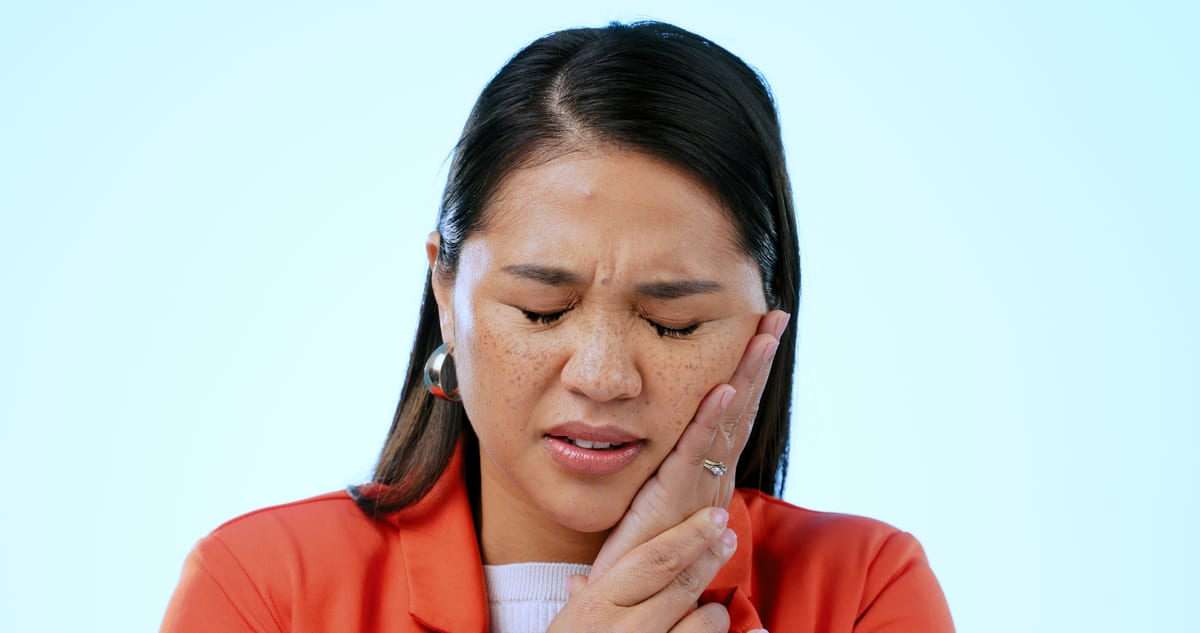
Your crown just fell out — and your first reaction is probably panic. That is completely understandable. Knowing what to do in the next hour in Pocatello can make a real difference for your tooth. Dr. Joshua Boyd and the team at Modern Smiles – Dentist Pocatello are here to walk you through exactly what to do right now.
A lost crown is one of the most common dental emergencies we see. The good news is that acting quickly and calmly gives your tooth the best chance of a smooth recovery. Let’s break it down step by step.
Why Your Crown Fell Out and What It Means
Crowns don’t last forever. Most dental crowns are bonded with a strong cement, but over time that bond can weaken. Chewing hard foods, grinding your teeth, or biting down on something sticky can dislodge a crown. Sometimes the tooth underneath has simply changed shape due to decay or wear.
When a crown comes off, the tooth underneath is exposed. That exposed tooth structure is often sensitive and vulnerable. It may not be painful right away, but leaving it unprotected increases the risk of damage or infection. This is why treating a lost crown as a true dental emergency matters.
Understanding why your crown fell out helps your dentist fix the problem properly the second time around. Always bring the crown with you to your appointment — do not throw it away.
Your Crown Just Fell Out: What to Do in the Next Hour in Pocatello
The first 60 minutes matter most. Follow these steps carefully to protect your tooth until you can see Dr. Boyd at Modern Smiles.
- Stay calm and find the crown. Rinse it gently with warm water. Do not scrub it or use harsh cleaners.
- Check the inside of the crown. Look for any debris or old cement. Clean it gently if needed.
- Try to temporarily reseat the crown. Dental adhesive paste from a pharmacy can hold the crown in place temporarily. Denture adhesive or even a small amount of toothpaste can work in a pinch.
- Do not use super glue. This is critical. Super glue is toxic and can permanently damage the crown and your tooth.
- Call your dentist immediately. Contact Modern Smiles in Pocatello and let them know your crown has come off. Ask about same-day or next-day emergency availability.
- Avoid chewing on that side. Eat soft foods only and keep pressure off the exposed tooth until your appointment.
These steps won’t fix the problem permanently. They simply protect your tooth while you arrange professional care. Time matters — do not wait several days to see your dentist.
What Makes It Worse: Things to Avoid Right Now
Some common instincts can actually make a lost crown situation worse. Knowing what to avoid is just as important as knowing what to do. Here are the most common mistakes patients make in the first hour.
- Using super glue or household adhesives — These are toxic and can ruin the crown beyond repair.
- Ignoring the pain and waiting — The exposed tooth can develop sensitivity, decay, or infection quickly.
- Eating hard or crunchy foods — This can crack or chip the unprotected tooth underneath.
- Losing the crown — Your dentist may be able to recement the same crown. Always save it.
- Poking the exposed tooth repeatedly — This increases sensitivity and irritation unnecessarily.
- Applying numbing gel directly to the tooth — This can mask symptoms your dentist needs to assess properly.
Avoiding these mistakes keeps your options open when you arrive at the dental office. The more intact the crown and tooth, the simpler — and often less costly — the solution.
What Happens When You Come In to See Dr. Boyd
When you arrive at Modern Smiles in Pocatello, Dr. Boyd will examine the tooth and the crown right away. He will take a quick X-ray if needed to assess the health of the tooth underneath. This helps determine whether the crown can simply be recemped or whether more treatment is required.
In many cases, if the crown is intact and the tooth is healthy, Dr. Boyd can recement the crown during your visit. If the underlying tooth has decay or damage, he may need to address that before recementing. In some situations, a new crown may need to be made.
If the tooth cannot be saved, Dr. Boyd will discuss your replacement options with you. One popular long-term solution is a dental implant. You can learn more by visiting our Dental Implant Faq Pocatello page for detailed information.
Dr. Boyd takes a calm, educational approach to every emergency visit. You will leave understanding exactly what happened and what the next steps are.
Keeping Your Crowns and Restorations Healthy Long-Term
Once your crown is back in place, the goal is to keep it there for as long as possible. Good daily habits go a long way in protecting your dental restorations. Consistent oral hygiene is the foundation of crown longevity.
Brush twice a day with a soft-bristled toothbrush. Floss around the crown carefully each day. Avoid chewing ice, hard candies, or sticky foods that can stress the crown. If you grind your teeth at night, ask Dr. Boyd about a custom night guard.
Regular professional cleanings are also essential. Visiting your hygiene team helps catch early signs of crown wear or decay before a bigger problem develops. Learn more about maintaining your smile with Dental Hygiene Pocatello services at Modern Smiles.
Think of your crown as an investment. Protecting it with good habits means fewer emergency visits and a healthier smile overall.
When to Treat a Lost Crown as a True Emergency
Most lost crowns are urgent but not life-threatening. However, certain symptoms mean you should seek care even faster. Do not wait if you experience any of the following.
- Severe or sharp pain in the exposed tooth
- Visible cracks or fractures in the underlying tooth
- Swelling in the gum around the tooth
- Signs of infection such as a bad taste or pus
- The crown fell off and you cannot locate it
These symptoms may indicate a deeper issue that needs prompt attention. Call Modern Smiles right away and describe your symptoms clearly. The team will prioritize your appointment accordingly.
Even without these symptoms, don’t delay more than 24 to 48 hours. Every hour the tooth goes unprotected increases your risk of further damage.
Conclusion: You’re Not Alone — Modern Smiles Is Here
Losing a crown is stressful, but it is also very treatable. The most important thing you can do right now is stay calm, protect the tooth, and contact your dentist quickly. Dr. Joshua Boyd and the team at Modern Smiles – Dentist Pocatello are experienced in handling exactly this kind of situation. We will assess your tooth, explain your options clearly, and get your smile back on track as efficiently as possible. Book Now to schedule your appointment with our team.
Frequently Asked Questions
Can I recement my crown at home?
You can use a temporary dental adhesive from a pharmacy to hold the crown in place short-term. This is only a temporary fix. You still need to see your dentist as soon as possible to have it properly recemced or replaced.
Is a lost crown a dental emergency?
Yes, a lost crown should be treated as an urgent dental situation. The exposed tooth is vulnerable to damage, sensitivity, and decay. Contact your dentist within 24 hours or sooner if you have pain or swelling.
What if my crown broke instead of just fell off?
Bring both pieces to your appointment. If the crown is broken, it usually cannot be reused and a new crown will need to be made. Your dentist will examine the tooth first to make sure it is still healthy enough to support a new restoration.
Will it hurt when the crown comes off?
Not always, but the exposed tooth can be sensitive to temperature, air, and pressure. Using a temporary dental adhesive can reduce sensitivity while you wait for your appointment. Avoid very hot or cold foods and beverages in the meantime.
How long does a crown normally last?
Most dental crowns last between 10 and 15 years with proper care. Good oral hygiene, regular cleanings, and avoiding hard or sticky foods can extend the life of your crown significantly. Talk to Dr. Boyd about how to protect your specific restoration.